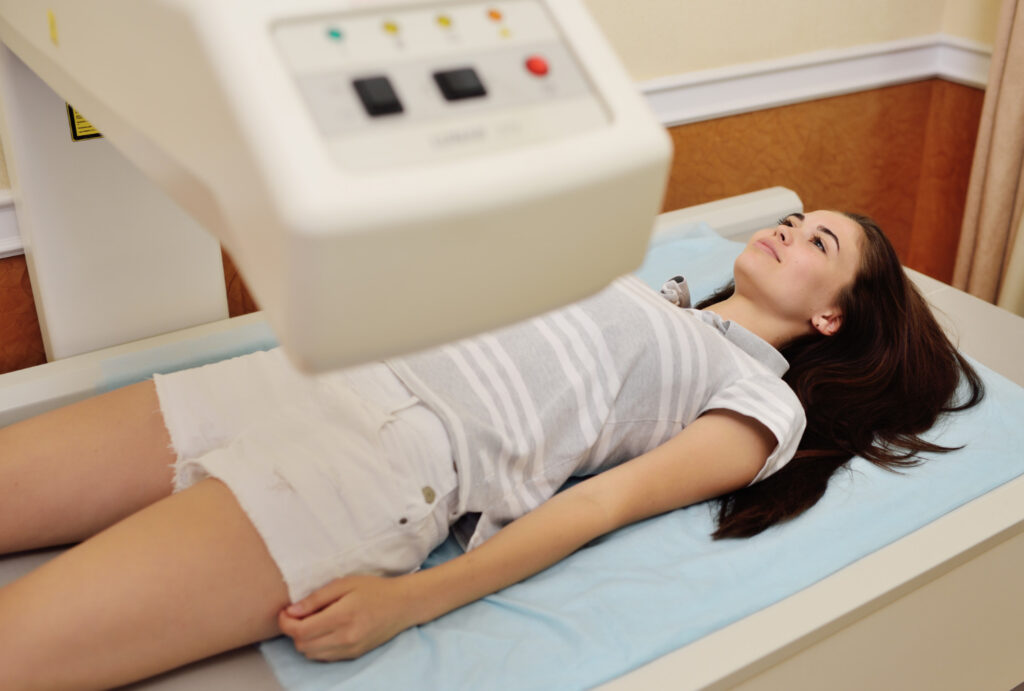
When to Get a DEXA Scan Near Chicago
TL;DR: For most Chicago-area athletes, early winter is a good time for a baseline scan. Race season is over, routines are shifting, and spring training has not started, so a scan now gives you a starting point to measure against. DEXA scans are offered at our Highland Park studio on the North Shore.
A winter DEXA scan can give Chicago-area athletes a clear starting point before spring training gets busy. When outdoor miles, race dates, and daily routines shift, it is easy to guess where your fitness stands. We use objective testing to replace guesswork with useful information you can apply to training, nutrition, and recovery.
Why Winter Is a Smart Time to Scan
The scan measures more than body weight. It looks at lean mass, fat mass, body fat percentage, and how those tissues are distributed throughout your body. That matters because the scale cannot show whether a weight change comes from muscle, fat, water, or some combination.
Winter is often a natural reset point. Holiday meals, shorter days, indoor training, strength work, and a lighter race calendar can all change your normal patterns. A DEXA scan at our Highland Park studio gives you a starting point based on data, not assumptions.
The baseline is not a grade or a judgment. We use it to help you set realistic priorities that fit your personal goals, whether you want to improve endurance, support strength gains, dial in nutrition, or prepare for a demanding season ahead.
Planning Your Scan From Chicago
If you live or train in the city, plan your scan at our Highland Park studio on the North Shore, where DEXA, VO₂ max, and RMR testing are offered. You can keep training at our Chicago studio and use your Highland Park baseline to guide it, as our post on using scan data to set training priorities explains.
Build a Baseline That Matters
One scan is a snapshot. Its value grows when we connect the results to what you are doing now and what you want to do next. Someone can stay at the same scale weight while gaining lean mass, reducing fat mass, or changing how their body supports training.
That distinction can be helpful for cyclists, triathletes, runners, and people focused on strength. Rather than chasing one “ideal” number, we look at the information in the context of your training and lifestyle.
Winter goals might include:
- Maintaining lean mass during a lower-volume training period
- Supporting body composition before a spring endurance build
- Tracking changes after consistent nutrition and strength work
- Creating a more realistic performance goal for the coming season
Follow-up testing should be timed with purpose. Scanning too often may not show useful change, while an appropriate interval gives your consistent habits time to show up in the data. Our testing team recommends retesting every 12 to 16 weeks, so a scan in December or January sets up a spring follow-up just as riding and running move back outside along the lakefront and Sheridan Road.
The scan is used to track how your body is changing. It is not a diagnostic bone-density exam, so bring any medical bone-health questions to your doctor.
Pair Body Composition Data with Performance Testing
Body composition is only one part of the picture. We often pair DEXA results with other testing and coaching services so you can better understand what affects your performance, fueling, and readiness.
A DEXA scan measures body composition. VO₂ max testing measures aerobic capacity, the maximum rate your body can take in and use oxygen during hard exercise. Both can inform endurance goals, but they answer different questions and should not be treated as the same test.
It is also important to separate VO₂ max testing from INSCYD metabolic testing, which Vision Quest Coaching offers cyclists and runners in-studio or virtually. VO₂ max testing focuses on aerobic capacity, while INSCYD provides a fuller metabolic profile. The right choice depends on whether you want to better understand aerobic fitness or your metabolism across training intensities.
RMR testing and nutrition consultations add another useful layer. Resting metabolic rate testing provides information about energy needs at rest, while nutrition consultations help us apply relevant data to meals, training fuel, recovery, and body composition goals.
Use Winter Data for Spring Endurance Goals
December and January can be a useful planning window for a spring marathon, cycling event, or early-season triathlon. Starting with current information may help you avoid making big changes once long workouts and race-specific training are already underway.
Body composition, RMR testing, and nutrition guidance can help shape a more informed winter approach. Instead of underfueling hard sessions or making drastic food changes, you can build routines that better support recovery and consistent training.
For endurance athletes, sodium and sweat-rate testing at our Chicago studio deserves attention before training volume climbs. Hydration needs are personal, so generic sports drink advice may not match what your body needs in training or on race day. Your hydration plan can account for your own sweat rate, sodium needs, workout length, and training conditions.
Turn Results Into a Smarter Training Plan
Data is most helpful when it leads to clear actions. A strength evaluation in Highland Park can help us understand how strength, movement, and muscular development may support your endurance or performance goals. Strength work does not have to be an afterthought beside cycling, running, or triathlon training.
Our triathlon and cycling coaching plans are built around your available time, current fitness, event schedule, and goals. As work demands, travel, weather, recovery, and fitness change, we adjust the plan so it remains realistic and useful.
A practical plan may bring together:
- Strength priorities that fit your weekly training load
- Fueling habits for everyday life and demanding workouts
- Aerobic or cycling-specific testing based on your goal
- Recovery considerations that match your schedule
Make Your Winter Baseline Useful
A single scan can reveal useful trends, but it does not tell the whole story by itself. The best next step depends on your health history, training background, recovery needs, performance goals, and the time you can realistically devote each week.
Winter data is most valuable when it guides steady decisions over time. Build habits you can repeat, allow training and nutrition changes time to work, and use follow-up testing to see whether your plan is moving in the direction you intended.
Frequently Asked Questions
When is the best time of year for a baseline?
Many athletes scan in early winter, after race season and before spring training, so the baseline reflects a stable point in the year.
How far apart should my baseline and follow-up scans be?
Our testing team recommends 12 to 16 weeks, which gives consistent training and nutrition changes time to show up in muscle and fat measurements.
Is it the same as a VO₂ max test?
No. DEXA measures body composition; VO₂ max testing measures aerobic capacity. Many athletes do both for a fuller baseline.
Turn Your Baseline Into a Clearer Plan
At Vision Quest Coaching, we can help you pair body composition data with nutrition consultations, strength evaluations, and performance testing that fit your goals. New to the scan? Read what the scan involves and whether it fits your training, then book your scan at our Highland Park studio to establish a detailed starting point for your next phase of training. Not sure which services fit? Book a free consultation to discuss your plan.