Functional strength training built on movement screening, performance testing, and 25 years of coaching endurance athletes. Phased to your race calendar so the work transfers to the bike, the trail, and the course.
Most cyclists and triathletes treat strength training as optional. They ride, they run, they swim, and they squeeze in a few sets at the gym when time allows. There is no plan behind it, no connection to their training calendar, and no testing to tell them what actually needs work.
That approach is not strength training. It is maintenance at best and wasted effort at worst.
The strength program at Vision Quest Coaching in Highland Park was designed specifically for endurance athletes. It starts with a movement assessment, it is phased to align with your race calendar, and every exercise has a direct purpose: reducing injury risk, correcting imbalances, and building power that transfers to the bike, the trail, or the course.
Your first session is free. Book your free assessment at Highland Park.
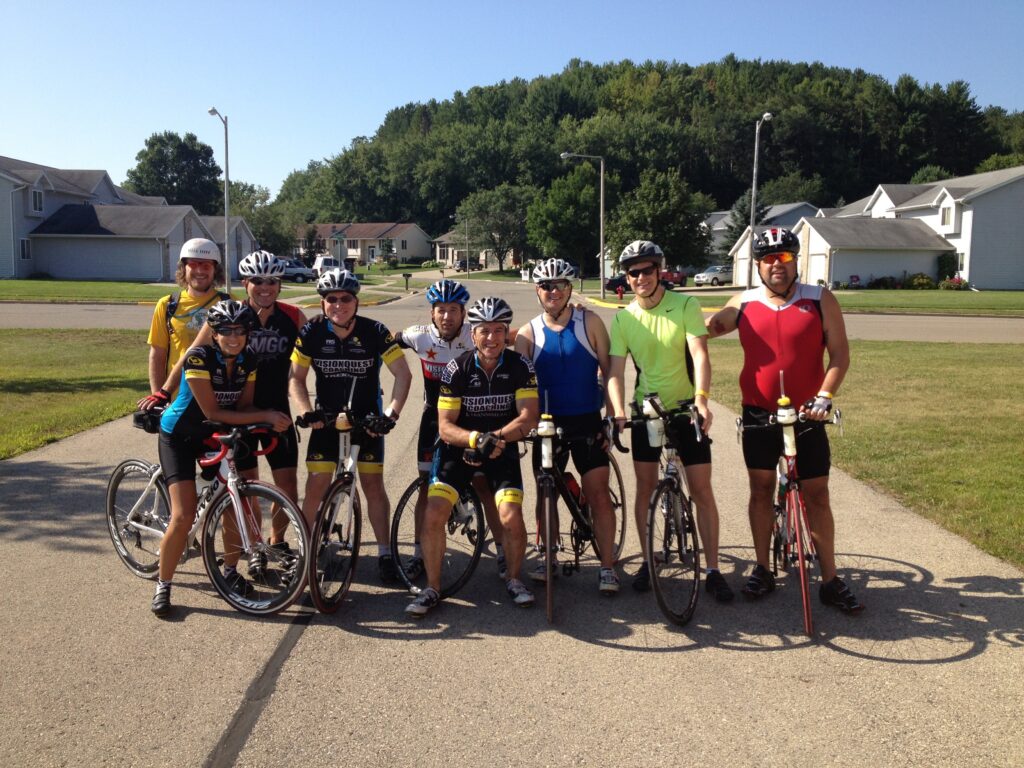

There is a common assumption among cyclists and triathletes that volume is the answer. More miles, more hours, more intervals. Strength training gets treated as a side project for the off-season, something to do when the weather forces you inside.
The problem is that repetitive endurance training without structured strength work creates predictable patterns over time. Muscle imbalances develop from training the same movement planes repeatedly. Stability breaks down under fatigue, especially late in a race when form deteriorates. And for cyclists specifically, the non-impact nature of riding means the skeleton and supporting muscles are not being loaded the way they would be in weight-bearing activity. That has direct consequences for bone density and long-term joint health that most athletes do not address until something goes wrong.
The athletes who improve fastest at Vision Quest are not always the ones who train the most hours. They are the ones who train with purpose in every session, including strength sessions designed to make everything else they do more effective.
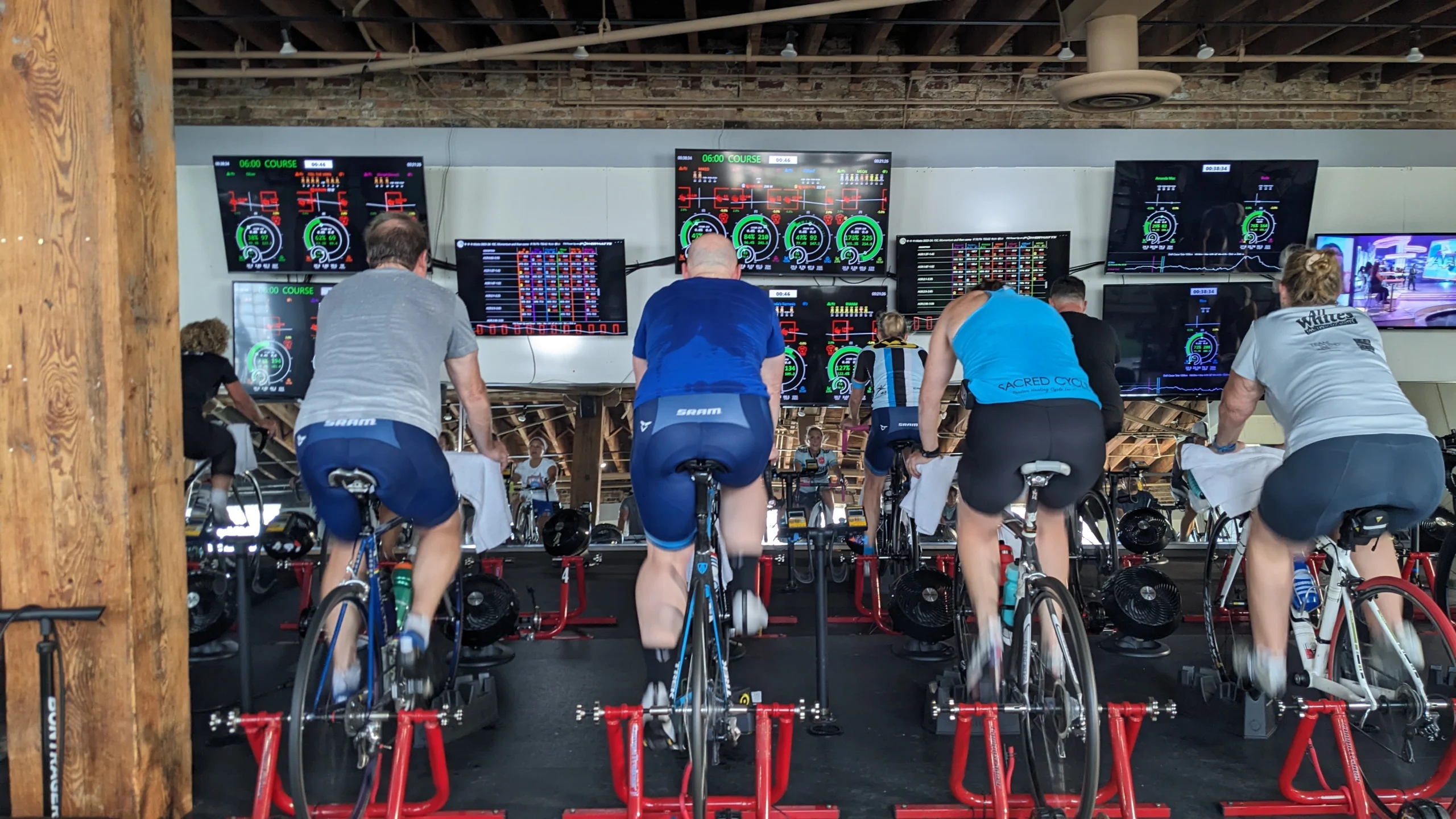

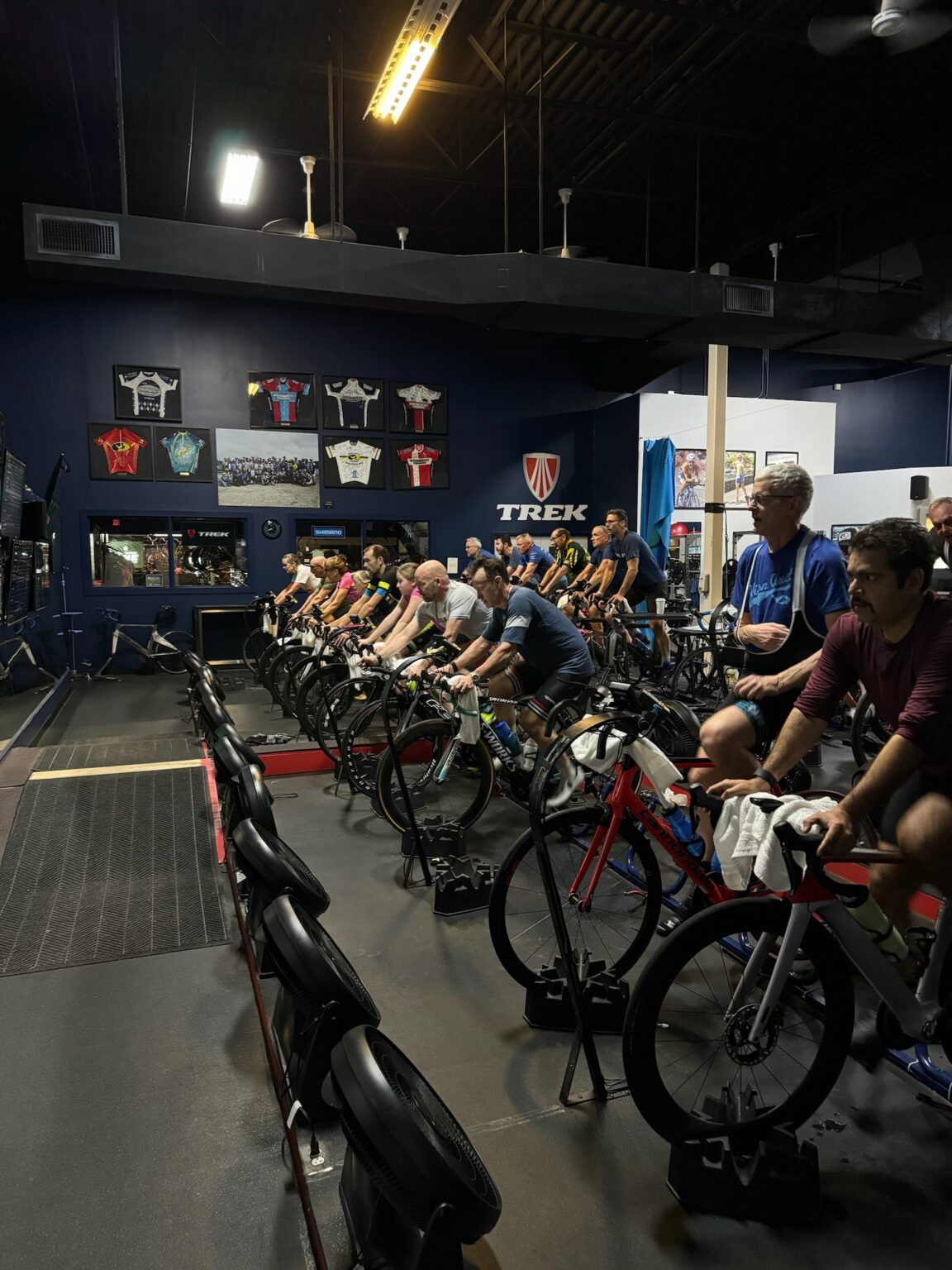
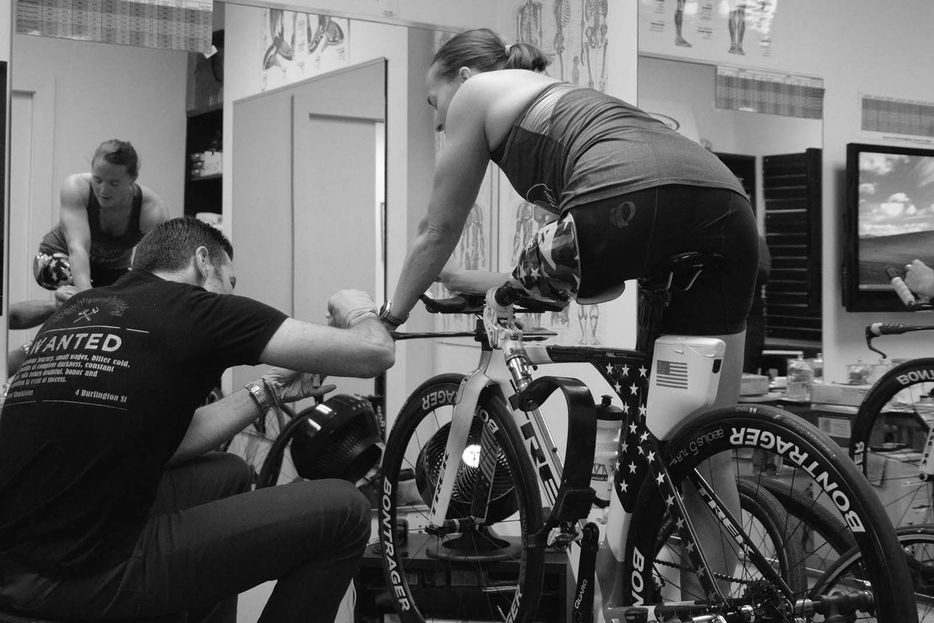
Every athlete who joins the strength program starts with a baseline movement screen. This is not a generic fitness evaluation. It is a structured assessment that identifies how your body moves, where compensation patterns exist, and which imbalances carry the highest injury risk for your sport.
The assessment matters because loading a movement pattern that is already compromised does not fix the problem. It reinforces it. We identify what needs correction before we add resistance so that every session builds the right foundation.
The strength program is periodized to complement your endurance training, not compete with it. That means heavier loading and higher-intensity strength work during the off-season when your body can absorb it, and a shift toward maintenance and movement quality as race season approaches.
This is one of the most common gaps in generic gym programming. A standard training plan does not know whether you have a race in six weeks or six months. The Vision Quest program is built around your calendar so you arrive at your key events stronger and fresher, not fatigued from lifting at the wrong time.
The exercises in this program are selected because they address the specific demands and vulnerabilities of endurance sports. The focus includes postural alignment, hip and glute stability, single-leg strength and balance, posterior chain development, and injury prevention in the areas most commonly affected by repetitive endurance training.
These are not general fitness movements repackaged for athletes. They are purposeful selections grounded in the same coaching philosophy that has guided more than 3,000 athletes over 25 years.
This program is designed for athletes at any level who want strength work that is purposeful, coached, and connected to their overall training plan. You do not need to have a strength training background. You do not need to be a competitive athlete. You need to be willing to show up, move well, and build something that will make your endurance training more effective.
Cyclists looking to stay healthy through a full season of riding, triathletes managing the combined demands of swim, bike, and run training, runners dealing with recurring injury patterns, and endurance athletes who have been doing the same thing for years without seeing progress are all good candidates for this program.
If you have never done structured strength training before, that is not an obstacle. The movement assessment is exactly where athletes with no strength background should start.

Strength training at Vision Quest does not exist in isolation. It is one component of a coaching system built on the principle that every decision should be grounded in data.
For athletes who want the full picture, the strength program integrates directly with performance testing at Highland Park, including DEXA body composition scanning to track changes in lean muscle and body fat over time, VO2 Max testing to establish aerobic capacity and training zones, and the Kinotek movement screen that informs the strength program itself.
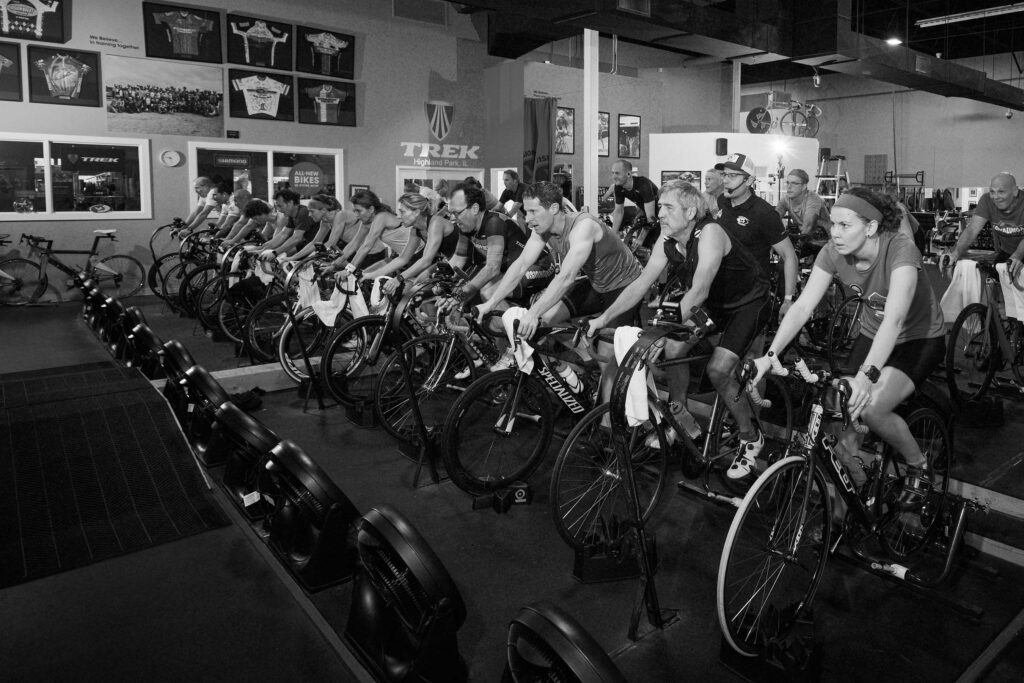
Athletes who are also training in the indoor cycling program can combine both disciplines into a weekly plan. The coaching staff can help you build a schedule that balances cycling sessions and strength work without creating excessive fatigue.
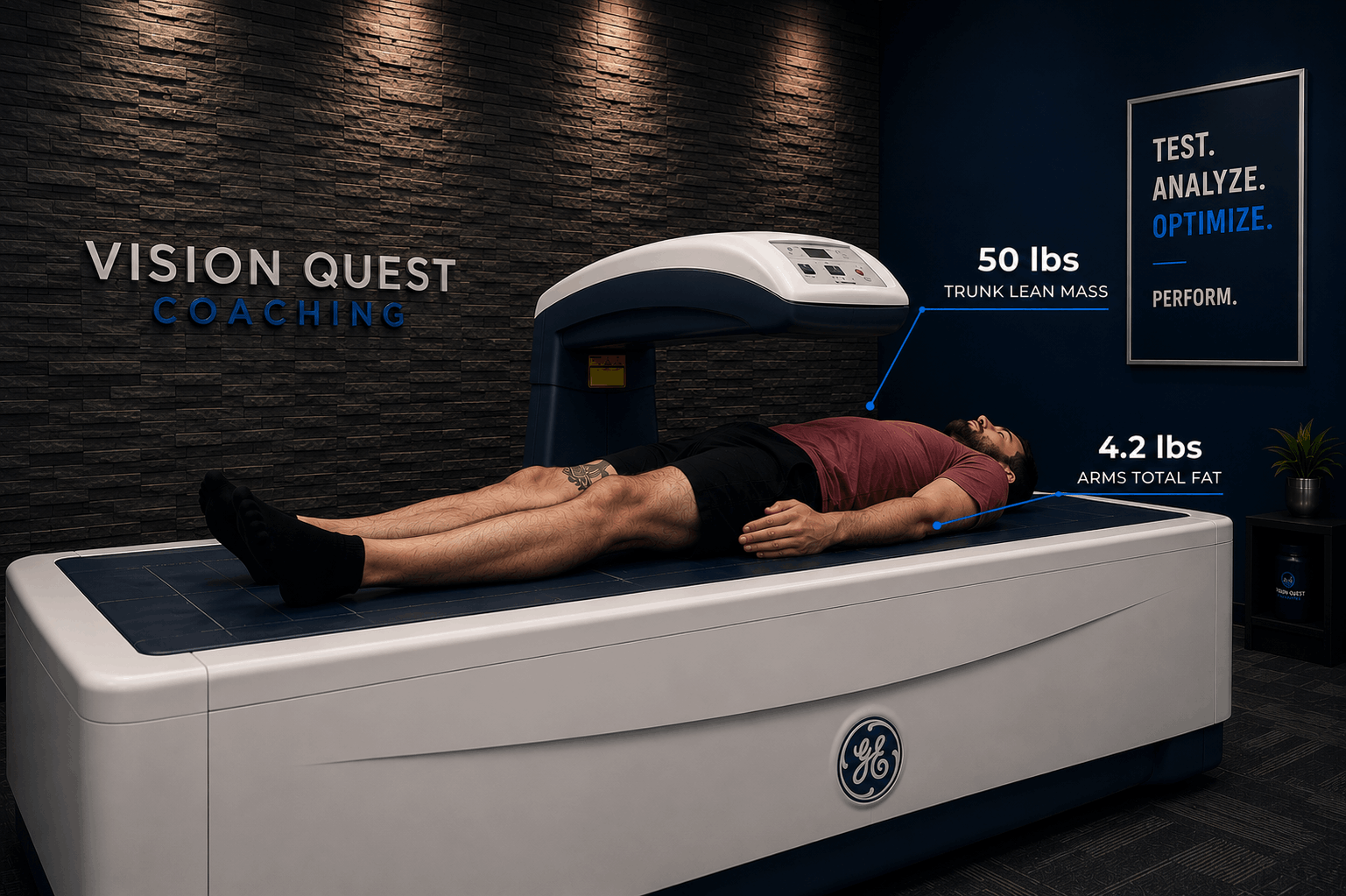

And every 12 to 16 weeks, you retest. Lean muscle changes, movement quality improvements, and strength benchmarks are measured against your baseline so the progress is not a feeling. It is a number.
No. The program starts with a movement assessment regardless of your background. If you are new to structured strength work, that assessment tells us exactly where to begin and how to progress you safely.
Yes. Many Vision Quest athletes train in both programs. The coaching team can help you structure a weekly plan that fits both without overloading your recovery.
Strength training is currently available at the Highland Park studio at 1923 Skokie Valley Rd.
The programming is built specifically for endurance athletes, not adapted from a general fitness template. It is integrated with performance testing and coordinated with your training calendar. The coaching staff understands cycling, triathlon, and running demands at a level that informs every exercise selection and progression decision.
That depends on your starting point and your consistency. What the movement assessment and periodic retesting give you is an objective measurement of progress rather than a subjective sense of whether things are improving. Most athletes notice meaningful changes in stability and movement quality within the first 8 to 12 weeks of consistent training.
Athletic clothes and a water bottle. All equipment is provided.
Pick a day and time that work for you — booking takes less than a minute.
Your first strength session at Vision Quest Coaching in Highland Park is free.
1923 Skokie Valley Rd, Highland Park, IL 60035