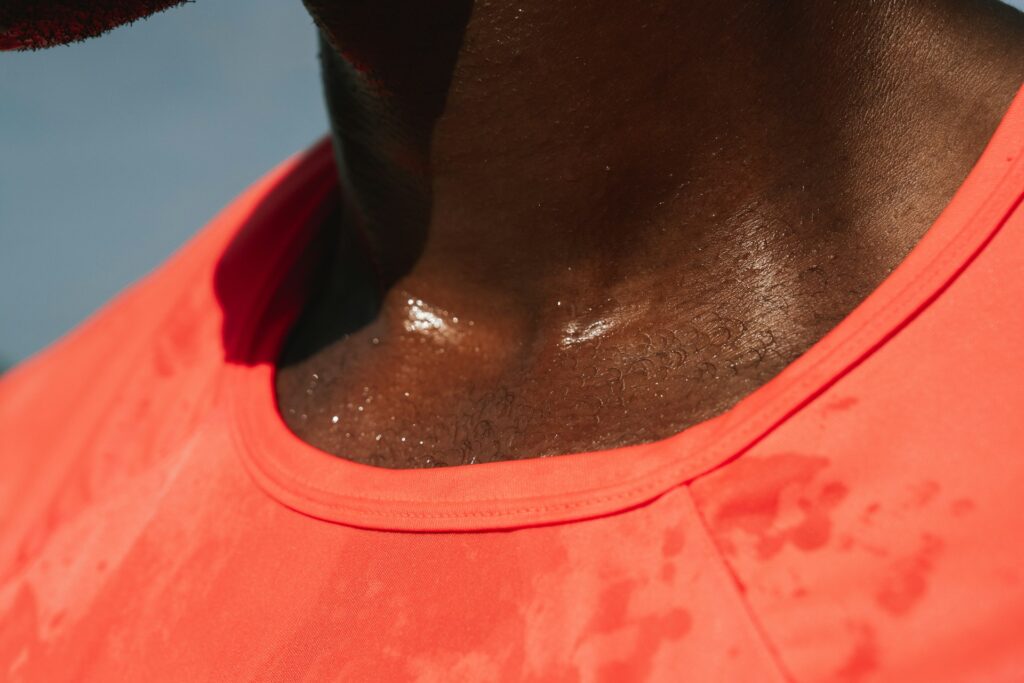
Your Sweat Test in Chicago Before Marathon Training
TL;DR: Sweat testing measures your sweat rate, meaning how much fluid you lose per hour at training intensity, and how much salt that sweat carries. Vision Quest Coaching offers it at our Chicago studio, and a coach explains your results and turns them into a plan you can practice on long runs and rides before your 2027 races.
A sweat test at our Chicago studio can give you a clearer starting point before training ramps up for your 2027 races, whether that is a spring marathon, a triathlon, a gran fondo, or another endurance event. Instead of guessing how much water or sodium you need, we help you understand what your body loses during exercise and how to build a plan around it.
Early winter is a smart time to collect baseline data. Many endurance athletes find thirst easier to miss during Chicago winters, indoor workouts may feel very different from outdoor runs and rides, and spring race weather can change quickly. Starting early gives you time to practice and adjust before training volume climbs.
Build Your Marathon Race Plan with Winter Data
Generic hydration advice can be hard to follow when it does not match your body, pace, training duration, or the weather. The test gives us information we can use to help shape a practical starting plan for fluids and sodium.
Rather than waiting for fatigue, stomach discomfort, inconsistent energy, or other problems to show up on a long run, you can begin testing your routine early. We connect your results to the training habits you can actually follow during busy weeks.
Winter conditions also deserve attention. Some athletes notice thirst less in cold air, while a warm indoor workout can still lead to meaningful sweat loss. As temperatures rise toward race season, we can keep refining your plan around longer runs and rides, harder sessions, and changing conditions.
What Happens During Your Visit
When you come to us for testing, we focus on the individual factors that affect your hydration needs. The visit is structured to be useful, clear, and connected to your race goals, not filled with confusing rules. Prep instructions are sent when you book.
Sweat-rate testing helps estimate fluid loss by comparing measurements before and after exercise while accounting for what you drink. This helps us understand whether your fluid loss is relatively low, moderate, or high during that workout.
Sodium testing adds another piece to the picture. Sodium is lost through sweat, and replacement needs can vary widely. Your results can help guide decisions about water, sports drinks, electrolyte mixes, gels, chews, and capsules during longer training sessions.
You can expect to leave with a better understanding of:
- Your estimated sweat rate during exercise
- Your sodium loss and electrolyte replacement needs
- How fluid intake may fit into long runs and workouts
- What to test during training before race day
Our Chicago studio provides a setting where we can turn testing information into a plan that makes sense for your routine. Every test includes a one-on-one debrief with a coach, and our post on how this kind of testing supports smarter endurance training explains the science behind the numbers.
Turn Results Into Smarter Hydration
Data matters most when we put it into action. We use sweat-rate and sodium results to help you create a starting hydration strategy based on your body, training time, and expected conditions.
Long runs and rides are the place to practice, whether you log them on the lakefront path or indoors. You can test what to drink, when to drink it, and how electrolyte replacement feels alongside your fueling plan. Race day should not be the first time you discover that a drink mix is too strong, a product does not sit well, or your timing needs work.
Your hydration needs can shift as training changes. A shorter winter run may call for a different approach than a long run in warmer weather, a hard workout, or a destination race. We use the data as a foundation, then adjust it using your real training feedback, as our guide to personalized fluid plans for Chicago endurance training describes.
Pair Hydration Data with Endurance Nutrition
Hydration is only one part of race preparation. Your fluid and sodium plan needs to work alongside carbohydrates, pre-workout meals, recovery habits, and the products you plan to carry or find on course.
Through nutrition consultations, we help you connect these pieces so they support each other. The goal is not to pile on more products. It is to find a routine you can practice consistently and trust during demanding training blocks.
A complete long-session plan may include:
- Carbohydrate timing before and during the session
- Fluid intake based on sweat-rate information
- Sodium replacement that fits your sweat losses
- Recovery meals and snacks that support the next workout
Our performance testing services in Highland Park can provide additional context when you want a fuller look at the factors influencing your endurance preparation.
Use Performance Data to Guide Endurance Training
This test is one helpful part of the larger performance picture. Depending on your goals, we may also use DEXA scans, VO₂ max testing, and RMR testing, all offered at our Highland Park studio, along with nutrition consultations and strength evaluations, to better understand how your body is responding to training.
VO₂ max testing measures aerobic capacity and can help establish training benchmarks. It is separate from INSCYD metabolic testing, a fuller metabolic profile Vision Quest Coaching offers cyclists and runners in-studio or virtually.
RMR testing can offer insight into resting energy needs, while DEXA scans provide body-composition information that can be tracked over time. Strength evaluations at our Highland Park studio can also identify areas to support durability and movement quality as training volume grows. For athletes with multisport goals, we build individualized triathlon and cycling coaching plans around available time and continually adjust them to support performance.
Prepare Before Your Race Build Begins
Early testing gives you more than a set of numbers. It gives you time to practice hydration and fueling choices during long runs, notice what works, and make changes before race day gets close.
A personal plan can help reduce guesswork when conditions change. By understanding your sweat rate and sodium needs, then pairing that knowledge with steady fueling practice, you can approach your race training with a clearer and more confident routine.
Frequently Asked Questions
Who benefits most from testing?
Runners, cyclists, and triathletes preparing for long training sessions or races, including athletes who have dealt with cramping or late-race fading and want answers.
How far before race day should I test?
For a spring marathon, triathlon, or gran fondo, early winter leaves the whole build to practice your plan on long runs and rides before race-specific workouts and warmer weather arrive.
Can I book testing on its own?
Yes. You can book testing on its own, and every test includes a coach’s explanation of your results.
Where is it offered?
Sweat testing is offered at our Chicago studio.
Build a Hydration Plan for Race Day
Your visit gives you practical data to guide fluid and sodium intake throughout your marathon, triathlon, or cycling build. At Vision Quest Coaching, we help athletes turn those results into a personalized hydration approach that fits their training demands. Not sure where to start? Book a free consultation to talk through testing, nutrition support, and coaching with our team.