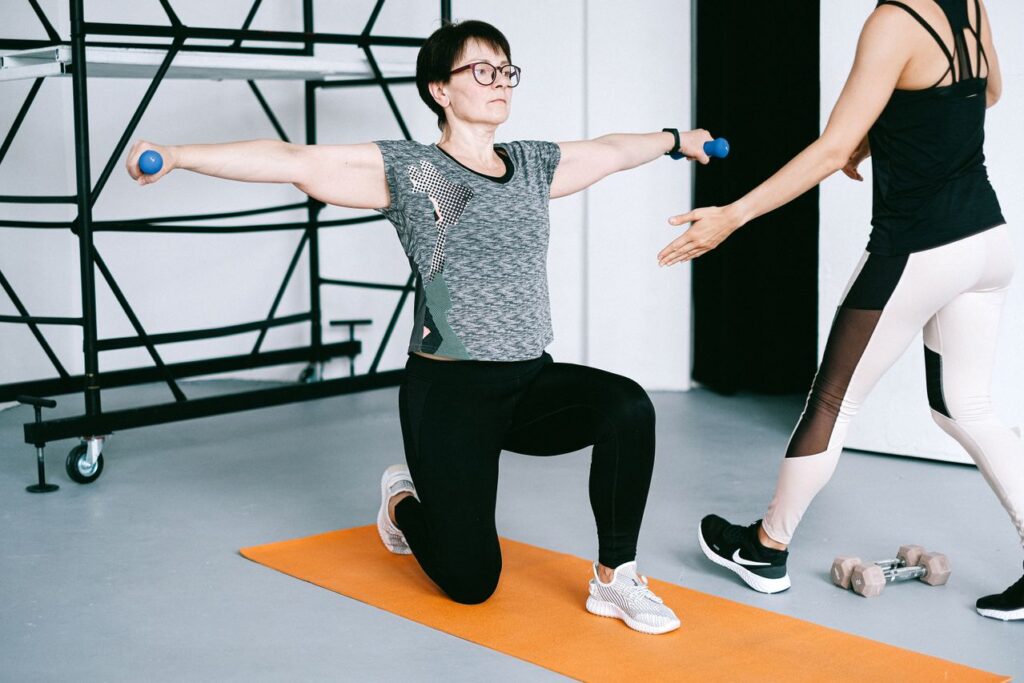
How to Choose the Right Fitness Coach in Highland Park
Why Getting This Decision Right Actually Matters
If you live in Highland Park and you have been piecing together your own training — runs on the lakefront path, basement strength sessions, weekend group rides toward Glencoe or Lake Forest — you already know that effort is not the problem. The problem is direction.
A good fitness coach does not just add more workouts to your week. They take everything you are already doing and point it at a clear target. The right one for you specifically matters, because coaching is a relationship, and a relationship that does not fit your goals, your schedule, or your communication style will not last long enough to deliver results.
This guide is for anyone in Highland Park who is serious about making a smart choice — not just picking the closest option or the lowest price.
What a Fitness Coach in Highland Park Actually Does
When most people picture a fitness coach, they see someone counting reps in a gym or yelling encouragement during a class. That is not really coaching. That is instruction.
Real coaching — the kind worth paying for — includes a layer you never see in a single session. It is the thinking that happens before you walk in the door and the adjustments that happen after. Things like:
- An honest assessment of your fitness history, injury patterns, and actual goals (not just the goal you say out loud — the one underneath it)
- A structured training plan that builds on itself week over week, not just a collection of hard workouts
- Regular plan updates when life changes, because work trips, family schedules, and fatigue are real
- Accountability that goes beyond “did you show up” to “did the right things happen during those sessions”
- Ongoing communication so small problems get caught before they become missed months
That is very different from a gym membership or a drop-in class. Both of those can be genuinely useful, especially for building a fitness habit or finding community. But they follow a set template, they do not adjust for your race calendar or travel schedule, and they rarely track your progress across seasons in any meaningful way.
Personalized coaching is a long-term partnership with a defined outcome. The sessions are just the visible part.
The Five Questions That Separate Good Coaches From Great Ones
Before you commit to any fitness coach in Highland Park, ask these five questions. The answers will tell you more than any testimonial or website.
1. Do you test before you train?
The biggest difference between coaching that works and coaching that guesses is whether the plan starts with real data from your body. A VO2 max test, a body composition scan, a movement screen — these are not luxury add-ons. They are the baseline that makes every training zone, every intensity target, and every program adjustment accurate instead of estimated. If a coach cannot explain how they set your training zones, they are estimating. Ask directly.
2. How do you measure progress over time?
A plan without checkpoints is just a schedule. Good coaching includes defined milestones — retests, performance benchmarks, body composition comparisons — so you and your coach both know whether the work is delivering results. If the only progress metric is “how do you feel,” that is a yellow flag.
3. How does the plan adjust when life gets complicated?
On the North Shore, most people training seriously also have demanding careers, kids in multiple sports, travel schedules, and early morning commitments. A coach who cannot adapt to that reality will eventually lose you. Ask what happens to your plan when you have a brutal work week, a family trip, or a minor injury.
4. What is your experience with athletes like me?
A general personal trainer and an endurance coach have different skill sets. If you are a cyclist preparing for a century ride, a triathlete targeting a 70.3, or a 50-year-old in Lake Forest trying to get their cardiovascular fitness back on track, you want a coach who has worked with people in your exact situation — not someone adapting a bodybuilding template to your goals.
5. What does the first 90 days actually look like?
Vague answers here are a warning sign. A good coach should be able to describe the first testing phase, the initial training block structure, how communication works, and when you should expect to see the first meaningful results. If they cannot tell you what the plan looks like before they have your money, that is worth noting.
How Data-Driven Coaching Changes the Price Equation
When training is built on real data from your body, the math on coaching changes. You are not paying for a coach to guess at what effort you should work at. You are paying for precision.
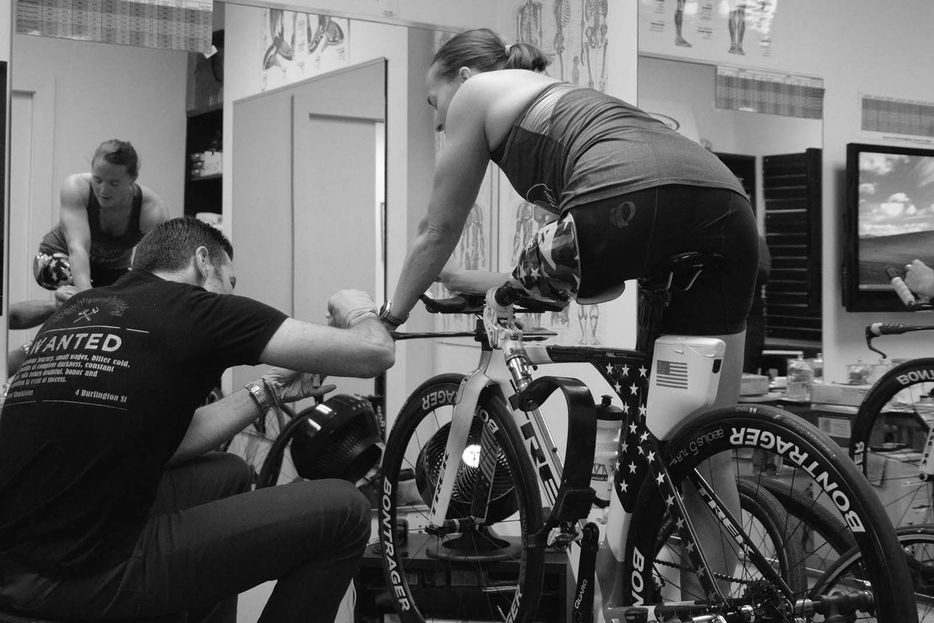
Tools like VO2 max testing, DEXA body composition scans, RMR metabolic testing, and Kinotek movement screening let a coach dial in:
- Accurate training zones for cycling, running, and other endurance work — zones built from your physiology, not a formula using your age
- Your actual resting metabolic rate, so any nutrition planning is built on your real numbers
- Movement compensations and weak points that, if left unaddressed, become injuries
With this foundation, your training plan becomes sharper. You avoid the trap most self-coached athletes fall into — every workout at the same “medium hard” effort that feels productive but produces a plateau. You spend more time at the right intensities, recover better between sessions, and each training block has a clear purpose.
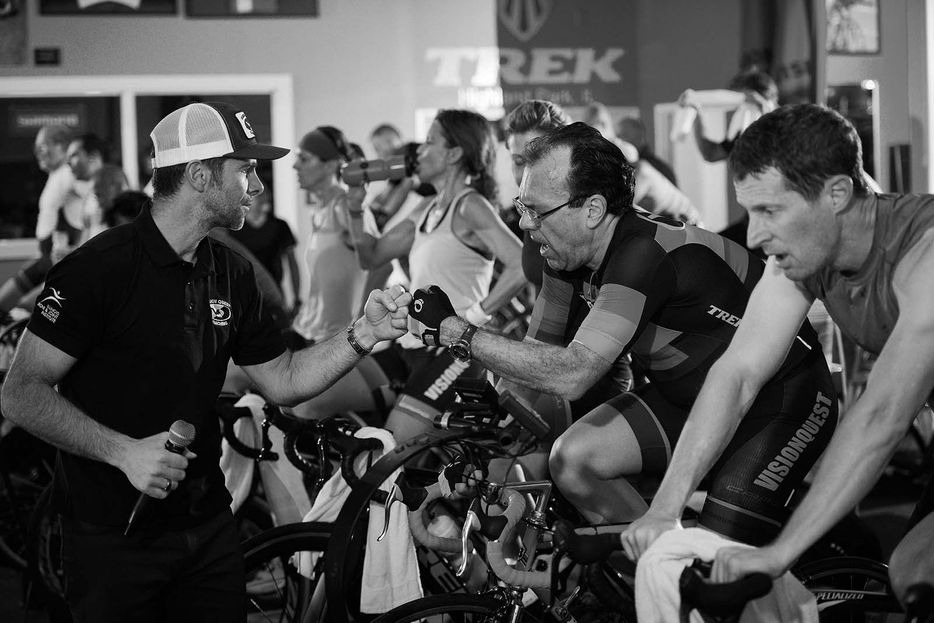
At Vision Quest Coaching in Highland Park, we build coaching around this kind of lab-quality data. When your coach has precise numbers to work from, fewer sessions get wasted, training blocks have cleaner targets, and the risk of grinding into burnout goes down.
What the Coaching Landscape in Highland Park Actually Looks Like
If you live or train in Highland Park, you have several paths to structured support. They can all play a role, depending on what you need.
Common options include:
- Independent trainers who offer one-on-one sessions
- Trainers at larger gyms
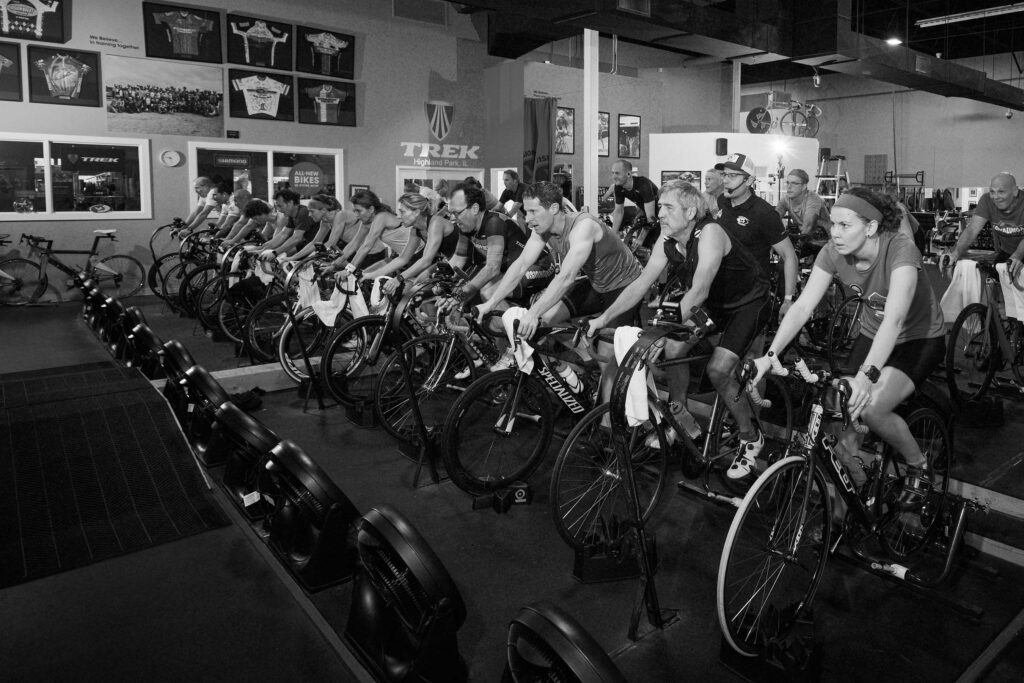
- Boutique studios with small classes
- Specialized endurance coaching, in person or virtual
These options often use different pricing models:
- Session-based, where you pay per visit
- Ongoing monthly coaching retainers for full support
- Group training packages with set class times
- Hybrid plans that mix in-person and virtual guidance
A lower-cost group setup can be a smart starting point if you are building basic fitness, want community, or enjoy a set class schedule. But if you are aiming for serious goals, like a big race, a major body composition change, or year-round peak performance, a more individualized coaching model usually delivers better long-term value. You get a custom roadmap instead of trying to fit your goals into a one-size-fits-all format.
Cycling Coach and Triathlon Coach: When You Need a Specialist
For competitive cyclists and triathletes in Highland Park and across the North Shore, the coaching choice gets more specific. A general personal trainer can help with strength and movement. An endurance specialist who understands power-based cycling training, periodized triathlon preparation, and the physiology of multi-sport racing is a different thing entirely.
Choosing a cycling coach means looking for someone who trains with power, not just heart rate and feel. It means someone who can structure your year into phases — base, build, peak, taper — and who adjusts those phases based on how your body is actually responding, not how it was supposed to respond on paper.
Choosing a triathlon coach means finding someone who sees all three disciplines as one system, not three separate training plans stacked on top of each other. Most self-coached triathletes overtrain their strong discipline and neglect their weak one. A coach who has worked with athletes from first sprint triathlons in Evanston all the way to full Ironman events sees those patterns immediately.
If you are on the North Shore and training for the Chicago Triathlon, a fall century, or anything in between, this specialist distinction matters more than almost any other factor in the coaching decision.
How to Budget for Coaching and Testing Without Wasting Money
Coaching does not have to be an all-or-nothing commitment. There are smart ways to get high-value results even when your budget has real limits.
A practical approach for most people in Highland Park looks something like this. Start with a performance testing session — VO2 max, DEXA, or a full panel if the timing is right. That gives you a real baseline and tells you exactly what kind of coaching you need, instead of guessing. Then decide whether you need full personalized coaching, a group training program with coached structure, or a hybrid model that uses an online plan with periodic in-person testing checkpoints.
Many people find the hybrid approach works well. A custom virtual training plan built from your test data, combined with coached group sessions a few times a week in the studio, covers both personalization and community without the full cost of one-on-one coaching for every session.
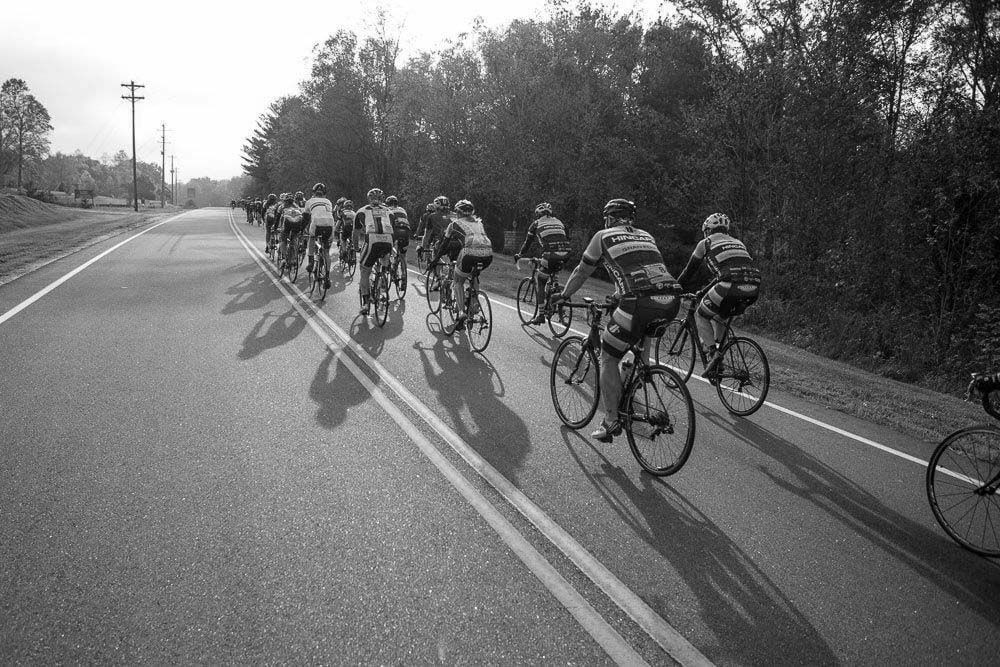
Seasonal timing matters too. Many North Shore athletes aim for late summer and fall events — the North Shore Century in September, fall running races, or early triathlon season build work starting in December. Investing in testing and coaching around those natural peaks gives you the best return on both time and budget.
One more thing worth saying directly: it is normal to be skeptical about spending money on coaching if past fitness investments have not produced results. The right response to that skepticism is not enthusiasm. It is specificity. A good coach should be able to tell you exactly what you will know after the first month, what will change after the first training block, and what a realistic 90-day outcome looks like based on athletes with similar profiles. If you are not getting specific answers, keep asking.
Is Vision Quest Coaching the Right Fit for You?
Vision Quest Coaching at 1923 Skokie Valley Rd in Highland Park is built for a specific kind of athlete and a specific kind of goal. It is worth being honest about that.
It is a strong fit if you are a cyclist, triathlete, or performance-focused adult who wants a plan built entirely around your data. If you want to know your exact training zones, see your body composition tracked over time, and have a coach who adjusts your plan when real life happens, this is what Vision Quest is built to do. It has been doing it for 25 years and more than 8,000 athletes.
If you are in your 40s or 50s, have been active for years, and feel like your training is not producing what it used to — that is exactly the scenario where testing-based coaching tends to produce the biggest change. A lot of athletes in that position have been in the wrong zones for years without knowing it.
Transform Your Training With Data-Driven Coaching Today
If you are ready to stop guessing and start training with purpose, our team at Vision Quest Coaching is here to help you take the next step. Work with a dedicated fitness coach in Highland Park who uses performance testing and measurable metrics to guide every workout. Tell us about your goals and schedule a session when you contact us so we can design a plan tailored to your abilities and ambitions.