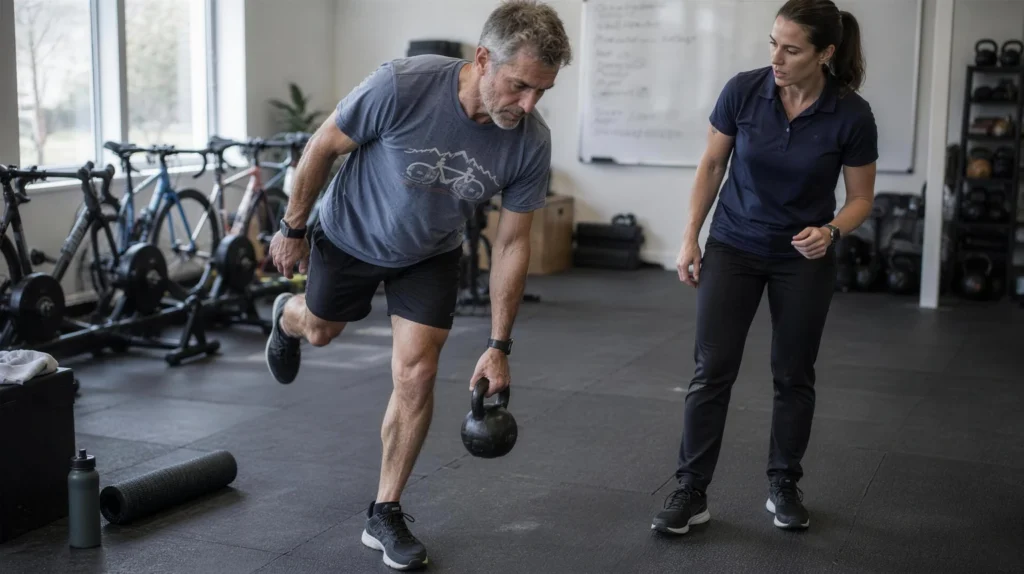
Build Strength. Improve Movement. Create Stability. Live Better.
By Robbie Ventura | Founder, VisionQuest Coaching
Every fall, I see the same thing happen. The weather gets colder, the days get shorter, and our cycling, running and swimming volume starts to come down. For some athletes, that creates a little anxiety. They worry about losing fitness, losing their edge or not doing enough. I look at it differently.
I see this as one of the biggest opportunities of the year to become a better athlete and a healthier human being.
Instead of worrying about the hours you are NOT spending on the bike, running or swimming, let’s focus on something that can make a huge difference in your performance, wellness and longevity.
STRENGTH TRAINING!
At VisionQuest, I want our athletes and members to make strength, movement quality and stability their number one priority over the next few months. Not just once a week when you can squeeze it in. I am talking about committing to 2–3 days a week of purposeful, progressive strength training.
And I want us to start NOW!
Why Strength Matters So Much for Endurance Athletes
Cyclists, runners and triathletes are really good at building their aerobic engines. We spend hours developing our cardiovascular systems. We track power, heart rate, pace, VO2 max and training load. We know how to suffer and we know how to work hard. But here is something I have learned over the years.
Having a great engine doesn’t necessarily mean you have a strong chassis!
You can have an incredible VO2 max and still have poor hip stability, limited mobility, weak glutes or difficulty balancing on one leg. And those weaknesses matter.
For cyclists, strength training can improve the ability to produce force, support better power development and help maintain good positioning on the bike.
For runners, strength training can improve running economy, build the capacity to handle repetitive impact and help support the muscles and tendons that keep us moving.
For triathletes, strength training helps build a more resilient body that can handle the demands of three different sports.
And for everyone focused on wellness, strength training helps us maintain muscle, support bone health, improve physical function and remain independent as we age.
But there is something even more important than athletic performance.
We want you to be strong for LIFE!
Strength Training Is Longevity Training
As we age, we naturally lose muscle mass, strength and power if we don’t do something about it. And one of the biggest things we can do to fight that decline is resistance training. Think about what you want your life to look like 10, 20 or 30 years from now. You want to get out of a chair easily. Carry your luggage. Play with your grandchildren. Walk on uneven ground. Travel. Ride your bike. Play golf. Ski. Hike. And do all those things without worrying about falling or getting hurt.
That requires more than a strong heart. It requires muscle, balance, coordination, mobility and stability.
At VQ, we talk a lot about improving your VO2 max because of its strong relationship with longevity. But I believe we need to put just as much attention into improving strength and movement quality.
We are not just training to add years to our lives. We are training to add LIFE to those years.
Falls Are a Much Bigger Deal Than Most People Realize
This is something I want everyone to think about, especially as we get older.
According to the Centers for Disease Control and Prevention (CDC), more than 14 million Americans age 65 and older fall each year. That is roughly one out of every four older adults.
Falls are also a leading cause of injury among older Americans. CDC data show that falls result in millions of emergency department visits and tens of thousands of deaths each year.
Those are some pretty scary numbers. And one of the most important things we can do to reduce our risk is to improve our strength, balance and stability.
Research has shown that exercise programs incorporating balance and functional training can significantly reduce fall rates among older adults. Strength training is an important part of developing the physical capacity needed to move safely and confidently.
Here is what I want you to understand.
You don’t start working on balance and strength when you turn 75 and begin having problems.
You start NOW, so you are better prepared when you get there!
And whether you are 35, 50, 65 or 80, there is tremendous value in building and maintaining strength.
Before We Get Stronger, We Need to Understand How We Move
This is a big part of what we are doing at VisionQuest. I don’t want you just walking into a gym and randomly lifting weights. I want you to understand how your body moves.
Can you squat properly? Can you balance on one leg? Do you have adequate hip and ankle mobility? Is one side significantly stronger or more stable than the other? Can you control your body through basic movements?
These are things we want to understand BEFORE we start loading you up with weights.
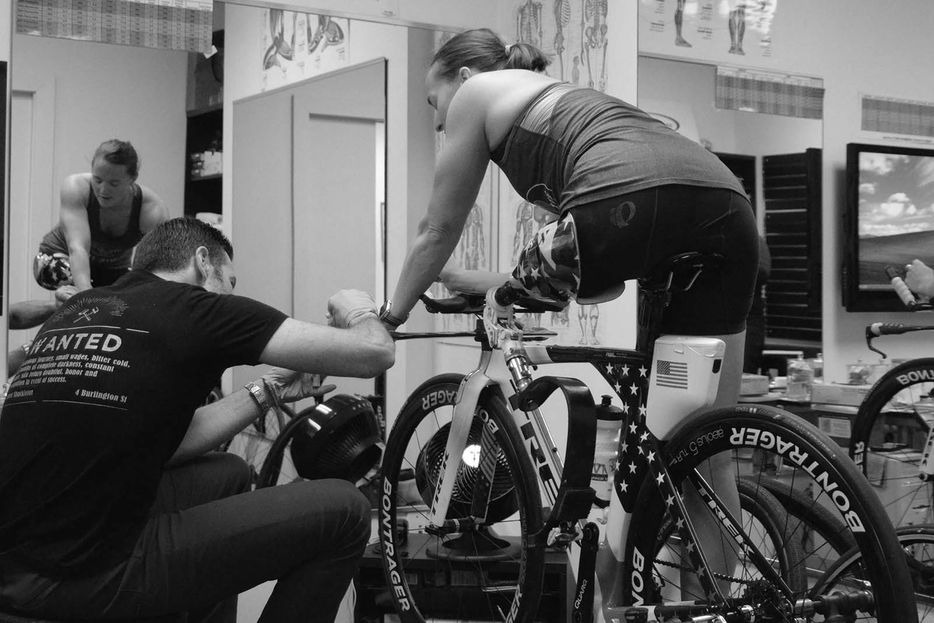
At VQ, our strength team can evaluate your movement quality, mobility, stability and current strength. We also have advanced movement assessment technology, including Kinotek, that can help us better understand how your body moves and identify areas where you may benefit from additional work. From there we can build a program that is right for YOU.
Some people need more mobility. Others need more stability. Some need to build basic strength, while others are ready for more challenging resistance training. There is no one-size-fits-all approach.
Assess. Build a plan. Execute. Measure improvement.
That is how we approach endurance training, and it is exactly how we should approach strength training.
The Science Supports Strength Training for Endurance Athletes
This isn’t just something I believe in because I have spent my life around endurance sports. Research supports it. Studies on endurance cyclists have shown that adding heavy resistance training to an endurance program can improve cycling efficiency, sprint power and certain measures of cycling performance. Research on runners has demonstrated that strength training can improve running economy, allowing athletes to use less energy at a given running speed.
The interesting thing is that you don’t necessarily have to improve your VO2 max to become a better endurance athlete. Sometimes becoming stronger and more efficient allows you to get more out of the aerobic fitness you already have.
That is a pretty powerful concept!
And it’s another reason why I want our athletes to embrace strength training during the colder months.
Your Winter Goal: 2–3 Strength Sessions Every Week
Here is my challenge to everyone at VQ.
As your cycling, running and swimming volume decreases this fall and winter, take some of that time and invest it into your strength.
I would love to see most of you doing 2–3 well-designed strength sessions every week, depending on your current fitness, recovery and experience.
For many of you, a good week could look something like this:
- Monday: Full-body strength training
- Tuesday: VQ cycling or endurance training
- Wednesday: Full-body strength training
- Thursday: VQ cycling or endurance training
- Friday: Optional third strength session focused on movement, stability and mobility
- Saturday: Longer endurance ride or workout
- Sunday: Recovery, walking or easy aerobic work
This is just an example. We will customize the plan around your goals and schedule.
The key is consistency.
I would much rather see you do two great strength sessions every week for the next four months than do five sessions one week and nothing for the next three.
Consistency wins!
And don’t worry. We are not abandoning endurance training. We are simply shifting our priorities for a few months so we can come back stronger, more stable and better prepared for next season.
If you are new to strength training, we will help you start at the appropriate level and build gradually. You don’t need to crush yourself in the weight room to get stronger. You need a smart plan and consistent execution.
How VisionQuest Can Help You Get Started
We have built some great strength training options at both our Highland Park and Chicago facilities, and I want everyone to take advantage of them.
1. Start With a FREE Strength Consultation
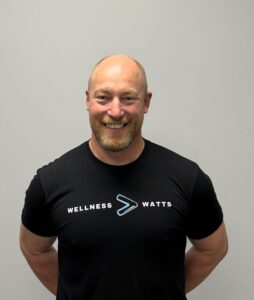
Meet with our strength team, including Ben Wellenbach, our head of strength training in Highland Park.
We will discuss your goals, look at your current strength and movement, identify areas that need attention and help you figure out the best way to move forward.
No pressure. No obligation.
Just a great opportunity to learn more about your body and what you can improve.
2. Try Our FREE Strength Training Classes
We have free strength training class opportunities at VQ, and I want you to come try them!
These are a great way to get introduced to strength training, learn some new movements and experience what we are doing.
You don’t have to be an experienced lifter. We want beginners, experienced athletes and anyone who wants to improve their wellness to feel comfortable getting started.
Our team can help you find the right class and get you rolling.
3. Customized One-on-One Strength Training
For those who want more personal attention, we offer individualized strength training at both facilities.
Your coach will build a program around your goals, movement limitations, training history and current fitness.
This is a great option if you have specific weaknesses, are returning from an injury, want to improve your athletic performance or simply want someone guiding you through the process.
And we will make adjustments as you improve.
The goal isn’t just to work hard. The goal is to get better!
4. Small-Group Strength Training
We also offer small-group strength training for people who enjoy working with others while still receiving coaching and individualized attention.
You get the energy and accountability of a group with a structured program designed to help you progress.
And let’s face it, training with other people makes the whole process a lot more fun!
Whether you are training for an Ironman, preparing for your next cycling season or simply wanting to feel stronger and healthier, we can help you find the right program.
Let’s Make the Next Few Months Count!
I have spent most of my life helping people become better cyclists and endurance athletes. And I still love that. But the more I learn about wellness and longevity, the more convinced I am that strength, movement quality and stability need to be a much bigger part of what we do. We spend so much time talking about FTP, watts, pace and VO2 max.
Those numbers matter.
But so does your ability to stand on one leg, get up off the floor, carry something heavy, maintain your balance and move confidently as you age.
I want you to be a great athlete today AND a strong, capable, independent person 20 years from now.
That is what this is all about. So here is my ask.
Don’t wait until January 1st. Don’t wait until you have more time. Don’t wait until something starts hurting.
NOW is the time to commit.
Make strength, movement and stability your number one focus over the next few months.
Come see us at VQ Highland Park or VQ Chicago. Schedule your free consultation. Try one of our free strength classes. Or let our team build you a personalized program and help you execute it.
We have the coaches, the facilities and the knowledge to help you get this done.
All you need to do is make the commitment.
Let’s get stronger together!
WELLNESS OVER WATTS!
Ciao,
Robbie Ventura
Founder, VisionQuest Coaching
VisionQuest Highland Park | VisionQuest Chicago
Ready to get started? Contact our team to schedule your FREE strength consultation or learn more about our free classes, one-on-one coaching and small-group strength training.
Research & Sources
- Centers for Disease Control and Prevention (CDC): Older Adult Falls Data — National statistics on falls, injuries and prevention.
- CDC: Physical Activity Guidelines for Older Adults — Recommendations for strength, balance and aerobic activity.
- Sherrington et al., Cochrane Database of Systematic Reviews (2019): Exercise interventions for preventing falls in older people living in the community.
- Rønnestad and Mujika, Scandinavian Journal of Medicine & Science in Sports (2014): Optimizing strength training for running and cycling endurance performance.