Make Every Off-Season Training Hour Count
Choosing between a generic plan and a cycling coach in Chicago comes down to one question: does your training fit your real life? As you look ahead to next season’s races, a calendar full of workouts can look helpful, but it may not reflect your current fitness, work demands, recovery, or available time.
A generic plan can provide a starting point. Individualized coaching goes further by giving you a plan that changes as your training data, schedule, and goals change. At Vision Quest Coaching, we build cycling and triathlon plans around the athlete, then continually adjust them to make each training hour more purposeful.
Fall is also a useful time to look at what has been working. With the race season winding down, you may be thinking about winter training or setting goals for a spring or summer event next year. Either way, knowing your current starting point can help us make better decisions about what deserves your attention next.
Know What a Generic Plan Can and Cannot Do
Generic plans can be useful when you need basic structure. They often organize workouts by week, include a progression, and give broad guidance for building endurance or preparing for a specific event. If your schedule is predictable and your goal is simple, that kind of outline may be enough to get moving.
The problem is that a preset calendar cannot respond when life changes. It cannot know whether a hard work week left you tired, whether you missed a key ride, or whether your race goal has shifted. It also cannot interpret your personal testing results or decide how strength work and nutrition should fit around your rides.
A fixed plan may leave you asking the wrong question: “How do I squeeze this workout in?” A responsive plan helps you ask, “What is the best use of the time I have this week?”
Signs you may need more than a generic plan include:
- Your training time changes from week to week.
- You are unsure whether fatigue means rest or more consistency.
- You have missed workouts and do not know how to adjust.
- Your current fitness does not match the plan’s starting point.
See How a Cycling Coach in Chicago Adapts Your Plan
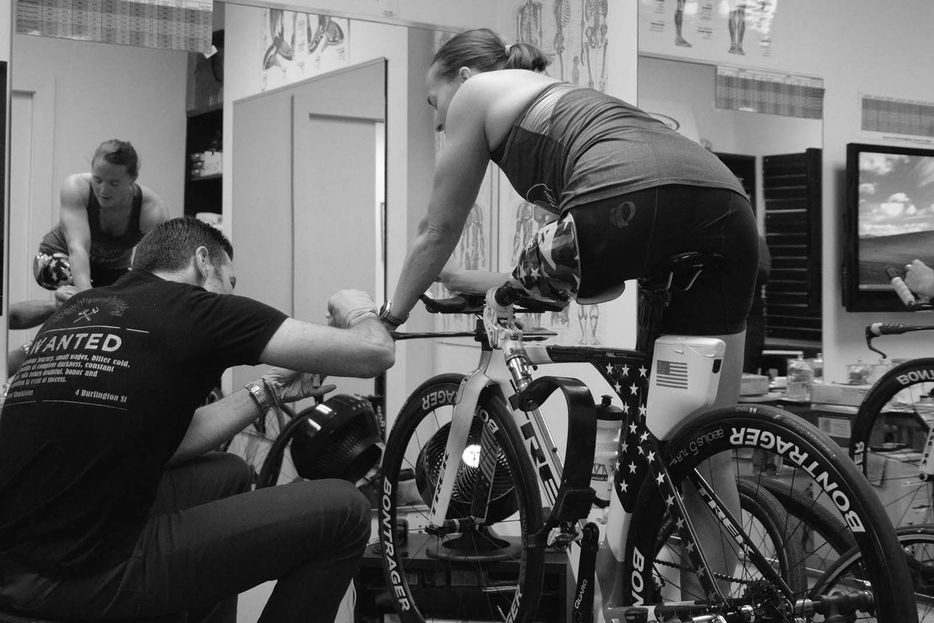
With a cycling coach in Chicago, your schedule is not an afterthought. We begin with your performance goals, current training status, available time, and the weekly demands that shape how you can train. From there, we create an individualized plan rather than asking you to force your life into a template.
The first plan is only the beginning. Our coaches review completed sessions, training data, recovery patterns, athlete feedback, and schedule changes. That ongoing review helps us decide when it makes sense to progress, maintain consistency, or reduce training demands.
For a cyclist targeting a spring or summer event next year, that may mean focusing limited weekly hours on the sessions that matter most. For a triathlete, it may mean balancing cycling with the demands of the other sports. Our individualized coaching services are built around making training relevant, not making it complicated.
Turn Testing Into Smarter Training Decisions
Testing gives us a clearer starting point than guesswork. A DEXA scan can provide body composition information that helps you understand changes over time. VO₂ max testing at DEXA measures aerobic capacity and can offer a benchmark for endurance performance planning.
It is important to keep two services separate. VO₂ max testing at DEXA evaluates aerobic capacity. Robbie’s metabolic cycling assessment at Vision Quest Coaching examines your metabolic response during cycling. They are different tests with different purposes, and we do not treat them as interchangeable.
Other information can help shape an individualized plan, too:
- RMR testing can help you understand resting energy needs.
- Nutrition consultations can turn testing information into practical fueling guidance.
- A strength evaluation in Highland Park can show current capabilities and help us place strength work appropriately.
- DEXA scan results can provide context when body composition is part of your larger performance picture.
Numbers alone do not create a better plan. We use the information that matters to your goals, training demands, and lifestyle, then apply it in a way that makes sense for your schedule.
Use Fall Data to Support Race-Day Preparation
The months between seasons are a practical time to gather information before your next training block begins. Whether you are planning for a spring marathon, a summer gran fondo, or a triathlon next year, every endurance athlete should understand their sodium and sweat-rate needs before building a personalized hydration plan for training and race day. Broad hydration rules cannot account for how much fluid and sodium you may need under your expected conditions and effort.
Sodium and sweat-rate testing can help identify those individual needs. From there, nutrition consultations can help connect the results to training, fueling, and event preparation. Cyclists and triathletes can benefit from the same thoughtful approach, especially during longer rides and multisport events.
Our individualized coaching can also provide another useful part of the larger picture. The point is not to collect every possible number. The point is to use meaningful information to guide better training decisions.
Choose a Plan That Makes Your Time Count
Before adding another workout to your calendar, consider whether your current plan reflects your actual fitness, goals, recovery, and available time. A generic plan may give you structure, while individualized coaching can help that structure stay useful when your week does not go as planned.
The best training plan is not the one with the most sessions. It is the one that helps you make informed choices, adjust when needed, and connect each available hour to the performance goal that matters to you.
Turn Your Available Time Into Focused Progress
At Vision Quest Coaching, we help riders build practical training around real schedules and meaningful goals. Work with a cycling coach in Chicago to create a plan that fits your fitness, priorities, and event calendar. When you are ready to discuss your next step, contact us to start the conversation.