Build Better Strength Evaluations in Highland Park
Effective strength evaluations in Highland Park start with knowing what your body can do right now. Rather than guessing or following a generic workout template, we begin by looking at movement quality, strength capacity, muscular balance, and areas that may affect your training.
A strength evaluation gives us a practical baseline before you add more volume or intensity. Whether you are preparing for a fall marathon, building cycling fitness, training for a triathlon, or creating a healthier routine, clear starting information helps us make each workout count.
During an evaluation, we look for findings that can shape your plan, including:
- Movement patterns that may need attention
- Differences in strength or stability from one side to the other
- Strength limits that may affect power or endurance
- Areas that may influence confidence during training
Instead of spending time on exercises that do not fit your goals, we can focus your strength work on durability, control, and power. That makes strength training more purposeful, especially as fall racing and off-season preparation begin.
Turn Strength Data Into a Focused Training Plan
A strength evaluation is not a pass-or-fail test. It is useful information that helps us build a plan around your experience, goals, fitness level, and available time. Two athletes can have the same event on the calendar and still need very different training priorities.
For example, an athlete with strong aerobic fitness but limited lower-body strength may benefit from a different approach than someone who has solid strength but needs better movement control or stability. A strength evaluation can be shaped around those real needs instead of a one-size-fits-all plan.
Strength data can also help prevent inefficient training. Adding workout after workout is not always the answer. When we understand your physical starting point, we can direct attention to the areas that may help you stay more consistent with running, cycling, and triathlon training.
As your fitness changes, your training should change with it. We adjust exercise choices, progressions, and priorities as race goals, schedules, and training responses shift.
Use Testing to Guide Strength Evaluations in Highland Park
Strength is one important part of the performance picture, but it is not the only one. We can pair strength findings with other testing options to give you clearer guidance for training, nutrition, and performance goals.
A DEXA scan can provide information about body composition, including lean mass, fat mass, and trends over time. That information may help us set more informed strength, performance, and nutrition goals. Our performance testing options in Highland Park allow us to look beyond what a workout feels like on any given day.
It is also important to understand the difference between two separate assessments:
- VO₂ max testing at DEXA evaluates aerobic capacity
- The metabolic cycling assessment Robbie conducts at VQ is a separate test
- Each assessment has its own purpose and can provide different training insights
- RMR testing estimates how many calories your body uses at rest
RMR, or resting metabolic rate, testing can give us a more personal starting point for nutrition conversations. Used alongside training demands and nutrition consultations, it can help us make more thoughtful fueling decisions without relying on broad assumptions.
Fuel Fall Marathon Training with Personalized Hydration
Fall marathon training brings long runs, changing weather, and more opportunities to practice race-day habits. Hydration and sodium planning should be part of that preparation well before race week. We encourage marathon athletes to understand their own sweat-rate and sodium needs so their plan reflects their body and training conditions.
Sweat-rate testing matters because fluid loss can vary from athlete to athlete. It may also change based on pace, temperature, humidity, clothing, workout length, and other training factors. A generic hydration plan may not match what you need during a long run.
Sodium losses can vary widely as well. Knowing more about your personal sodium needs gives us a better starting point for planning fluids and fueling during training and on race day. We can connect those results with nutrition guidance, RMR information, and your current training load.
A useful hydration plan considers more than one workout. It should account for long-run demands, the conditions you expect to face, and the fueling practices you can repeat consistently during your final marathon build.
Keep Triathlon and Cycling Plans Aligned with Progress
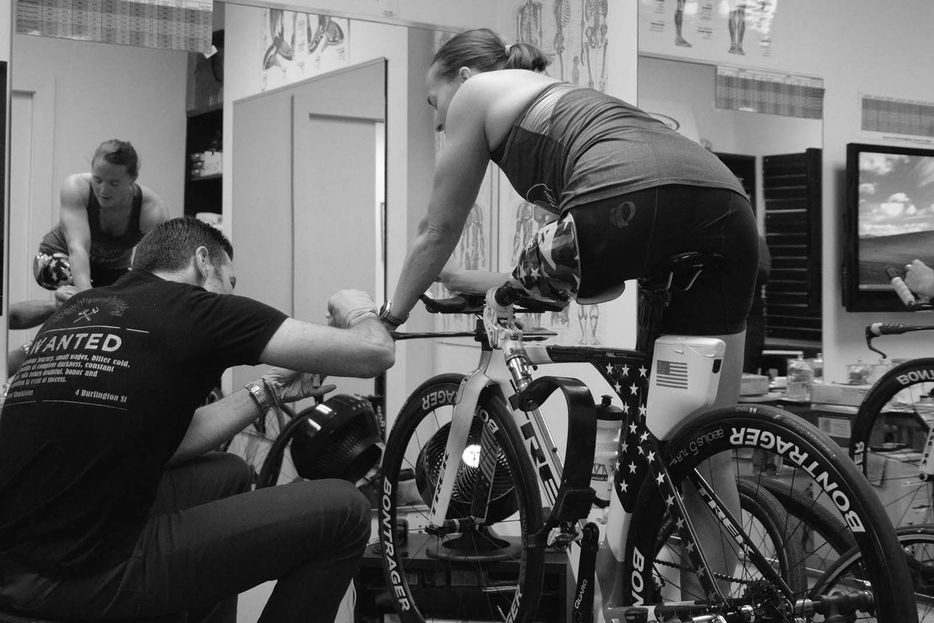
For triathletes and cyclists, strength findings can guide smarter endurance decisions. Mobility concerns, muscular imbalances, stability limits, and strength gaps may affect comfort on the bike, power production, durability, and your ability to train consistently.
Our individualized triathlon and cycling coaching plans are built around real life. A working professional, parent, first-time triathlete, and experienced cyclist may each have different recovery needs, available training hours, and goals. We account for those differences rather than expecting every athlete to follow the same schedule.
Training can evolve as you do. As testing results, fitness, race priorities, and weekly responsibilities change, we can refine workouts, strength sessions, nutrition strategies, and recovery priorities. Individualized plans continue to adjust so athletes can optimize their available time and performance.
Put Your Strength Evaluation to Work
A strength evaluation can give you a clearer view of where you are today and where focused work may help. For fall marathon athletes, adding sweat-rate and sodium testing can remove some of the guesswork from long-run hydration and fueling. For cyclists and triathletes, strength data can help keep endurance training aligned with your available time and current needs.
Better information supports better decisions. When your plan reflects your movement, strength, aerobic fitness, nutrition needs, and training response, you can spend more time working toward progress and less time wondering whether your training fits your goals.
Turn Your Training Data Into Clear Next Steps
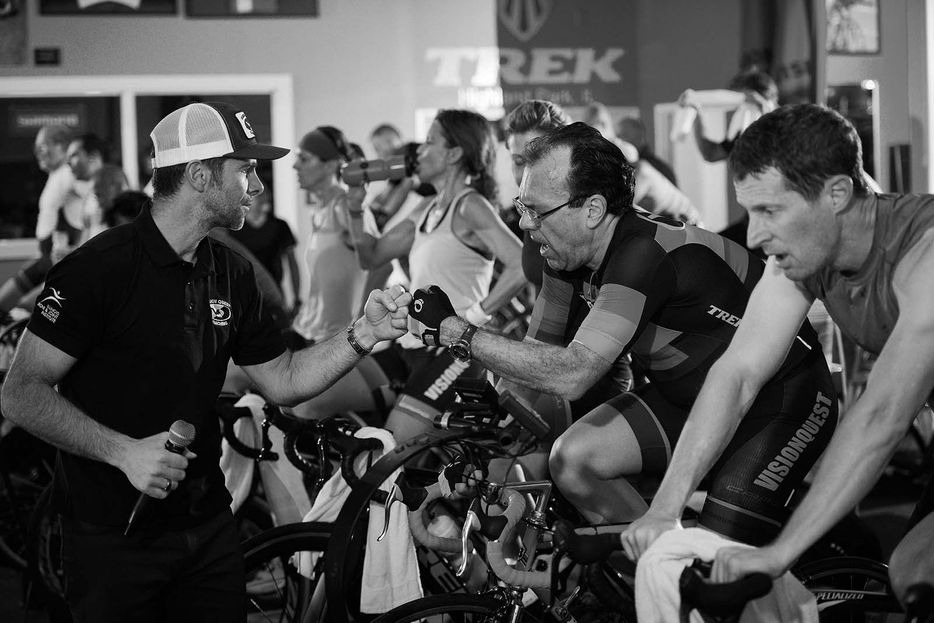
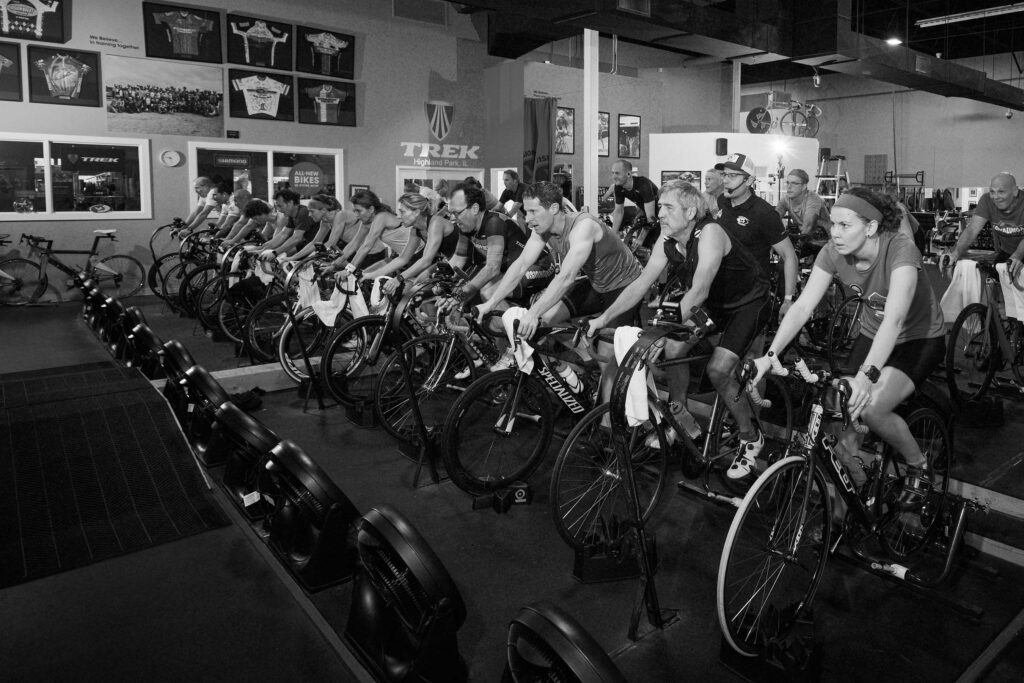
At Vision Quest Coaching, we use performance testing to help shape a focused approach to personal training in Highland Park. Our team can help you identify practical priorities and build a training strategy that supports your next goal. Contact us to schedule a conversation about your training needs.