Turn Your DEXA Scan Into a Clear Bone Health Plan
For people in Highland Park, the North Shore, and nearby communities, a DEXA scan gives you a measured starting point for understanding bone health. Bone density can change without clear symptoms, so we use scan data to move beyond guesswork and give training, nutrition, and recovery conversations a more useful foundation.
As fall training builds for marathons, cycling events, and triathlon goals, higher volume can place more demands on your body. We can use your results to guide smarter questions about fueling, strength work, recovery, and long-term health, while encouraging you to review medical findings with a qualified healthcare professional.
A DEXA Scan in Highland Park and the North Shore Measures More Than Body Weight
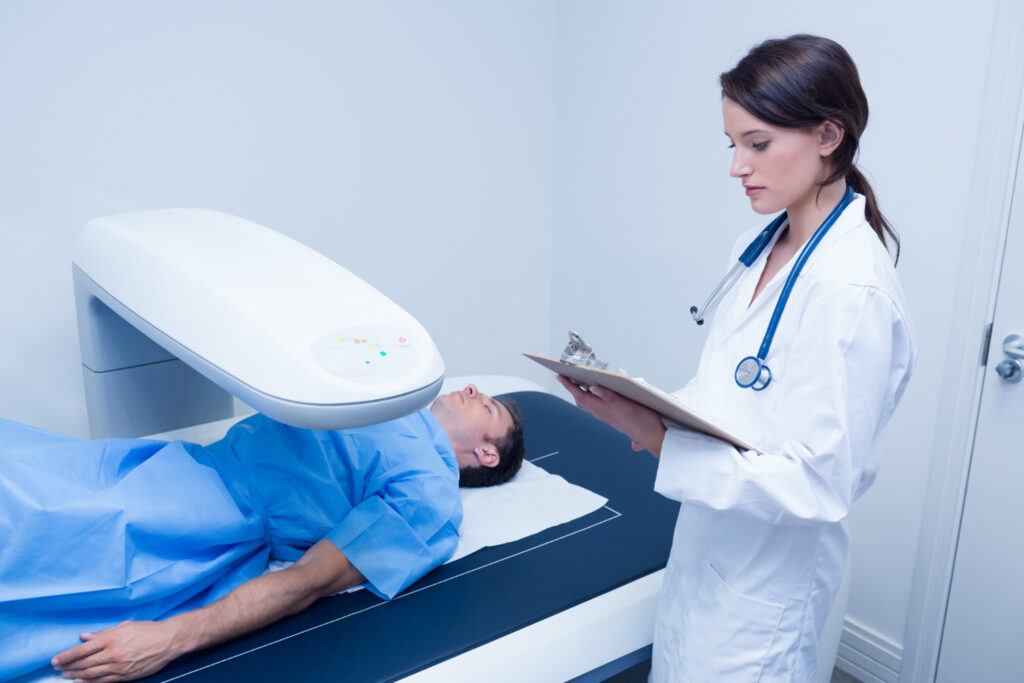
DEXA stands for dual-energy X-ray absorptiometry. During a scan, we measure bone mineral density at key areas, including the spine and hips. The test is quick, noninvasive, and uses a very low dose of radiation to create a detailed baseline.
Bone density is not only a concern for older adults. We often see active people benefit from knowing more about their baseline, especially when their sport involves high training demands or repeated impact. This may include runners, triathletes, cyclists, endurance athletes, and people returning to regular exercise after time away.
Your scan is one piece of a bigger performance and wellness picture. Through our Highland Park performance-testing services, we can connect DEXA data with practical conversations about training habits and nutrition.
A bone density result may be worth discussing when you are:
- Increasing weekly running, cycling, or triathlon training
- Returning to activity after inconsistent training or nutrition
- Building a strength plan to support sport and everyday movement
- Looking for a measurable baseline before a new endurance goal
T-Scores and Z-Scores Put Results in Context
A bone density report may include a T-score, a Z-score, or both. These numbers are comparison tools, not a complete diagnosis on their own. We encourage you to bring questions about your results to the right healthcare professional, who can consider your health history and fracture risk alongside the scan.
T-scores compare your bone density with a healthy young adult reference population. They are commonly used for postmenopausal women and men age 50 and older. In general, a T-score of negative 1.0 or higher is considered normal. A score between negative 1.0 and negative 2.5 may indicate low bone mass, while a score of negative 2.5 or lower may indicate osteoporosis.
Z-scores compare your results with people of the same age and sex. For premenopausal women, men younger than 50, and many athletes, this comparison can be more relevant. A lower-than-expected Z-score can be a useful prompt to review factors such as:
- Overall fueling and daily energy intake
- Recovery habits and training load
- Hormonal health with an appropriate provider
- Strength training and impact activity
- Medical history and other individual factors
Training and Fueling Can Support Stronger Bones
Balanced training can support healthy bones. Weight-bearing movement, resistance training, and progressive strength work may all have a place in a well-rounded plan. On the other hand, pushing training volume without enough recovery and fuel can add stress that does not match your goals.
Nutrition also matters. Adequate overall energy intake, protein, calcium, vitamin D, and other nutrients can be part of a bone-health conversation. Rather than relying on generic food rules, we use nutrition consultations to look at your real schedule, training demands, and daily habits.
A strength evaluation in Highland Park can add another layer of clarity. We can identify movement patterns, strength gaps, and opportunities to build a more durable foundation for running, cycling, triathlon training, or simply staying active. The goal is not to force every athlete into the same routine. It is to shape a plan around what your body and goals call for.
Fall Race Preparation Starts with Personalized Data
Fall endurance season in Highland Park, the North Shore, and nearby communities often brings longer runs, harder rides, and more race-specific sessions. Bone density data can be useful alongside a wider review of recovery, strength, fueling, and hydration, particularly when your training demands are climbing.
For marathon athletes, sodium and sweat-rate testing can help create a personalized hydration plan for training and race day. Every athlete loses fluid and sodium differently, so a one-size-fits-all approach may not match your needs.
We also keep performance tests clearly separated:
- VO₂ max testing measures aerobic capacity and can guide endurance training zones.
- RMR testing measures resting metabolic rate and can inform nutrition planning.
- Robbie’s metabolic cycling assessment is separate from VO₂ max testing and focuses on cycling-specific metabolic data.
- Individualized triathlon and cycling coaching plans are continually adjusted around each athlete’s available time and performance goals.
Build a Useful Bone Health Baseline
For athletes in Highland Park, the North Shore, and nearby communities, a DEXA scan can give you a clear baseline before you increase training volume or take on a new endurance goal. When paired with nutrition, strength, hydration, recovery, and performance data, it can make your next training decisions more informed.
The most useful approach is to review bone density results with the appropriate healthcare professional, then use the information to shape realistic training and fueling choices. A baseline does not tell your whole story, but it can help you ask better questions and build habits that support the work you want to do.
Turn Your Data Into a Practical Training Plan
At Vision Quest Coaching, we can help you connect your results to training and nutrition strategies that fit your goals. Schedule a DEXA scan in Highland Park to get clear, detailed body composition data for your next steps. If you have questions about our services or coaching options, contact us to start the conversation.