Make Your Fall Ironman Plan Fit Chicago’s Changing Conditions
Fall Ironman preparation in Chicago takes more than following a generic calendar. Shorter days, cool mornings, rain, and a fuller post-summer schedule can all change when and how you train. If your plan does not fit your real life, it can be hard to stay consistent or recover well.
That is why, as an Ironman coach in Chicago, we build coaching plans around your goals, training history, available time, and current performance data. During the fall, we continually adjust your training so you are not guessing whether to push harder, pull back, change your fueling, or shift your race strategy.
Use Testing to Set a Smarter Starting Point
Before changing your training, we need a clear picture of where you are now. A DEXA scan and performance testing can give us useful information to guide the next phase of your Ironman build.
DEXA scans show body composition, including lean mass and fat mass. Those findings can help us understand changes that may affect strength work, endurance performance, and nutrition planning. VO₂ max testing is a separate assessment that measures aerobic capacity. It can help establish fitness benchmarks and training zones for hard efforts.
RMR testing adds another piece to the picture. By measuring resting metabolic rate, we can better inform calorie needs as your training volume rises, changes, or tapers before race day.
- DEXA scans help assess body composition changes
- VO₂ max testing helps establish aerobic benchmarks and training zones
- RMR testing helps inform nutrition needs during training and recovery
- Nutrition consultations connect testing results to everyday fueling choices
It is also important to keep VO₂ max testing separate from Robbie’s metabolic cycling assessment at Vision Quest Coaching. They provide different information and are not interchangeable tests.
Turn Fall Data Into a Time-Smart Training Plan
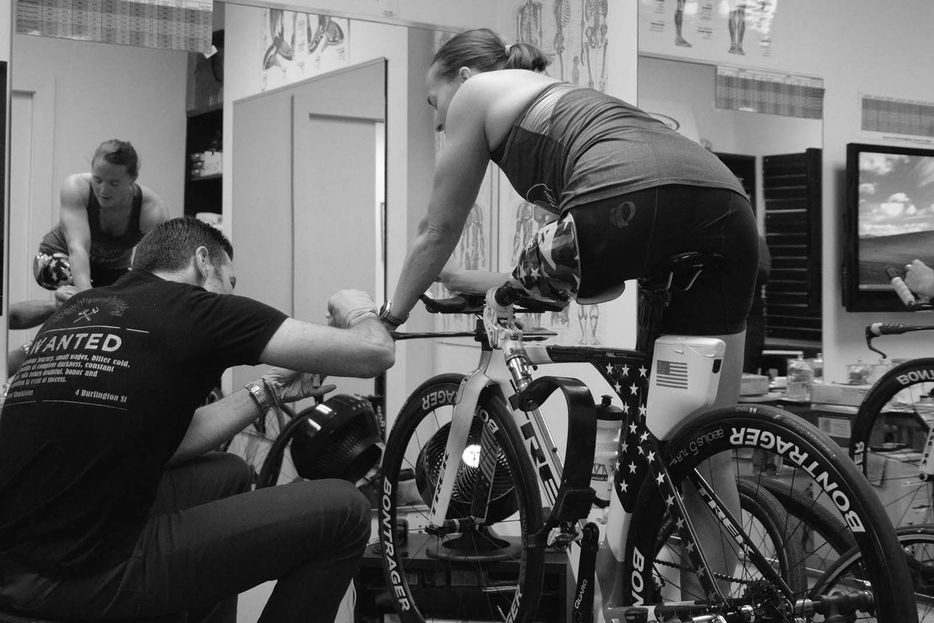
Testing matters most when it shapes what you actually do each week. Some athletes have room for long weekend rides, while others need to work around travel, family plans, work deadlines, or changing daylight. Our individualized triathlon and cycling coaching plans are built to make the best use of the time you have.
Instead of trying to make up every missed workout, we help you focus on the sessions that support your biggest goals. A missed weekday ride does not always mean you should squeeze in extra volume later. In many cases, it may make more sense to protect recovery, adjust the week, and keep the most meaningful sessions in place.
With individualized coaching services, we can adjust your plan based on performance trends, fatigue, recovery, travel, work demands, and upcoming races. That may mean refining brick workouts, shifting cycling volume, building endurance more efficiently, or adding recovery when your body and training data point in that direction.
Build Strength and Fueling for Late-Season Durability
Late in an endurance build, more training is not always the answer. A strength evaluation in Highland Park can identify areas where focused work may support movement quality, force production, and fatigue resistance. We use those findings to determine where strength training fits into your plan without adding unnecessary volume.
Targeted strength work can support stronger cycling, more resilient running, and better durability as long sessions stack up. The goal is not to hand every athlete the same routine. We connect what we find in an evaluation to your current training demands and available time.
Fueling deserves the same level of attention. As temperatures and training demands change, we may revisit daily meals, carbohydrate intake, recovery nutrition, and race-week planning. For athletes preparing for a fall marathon or endurance race, sodium and sweat-rate testing can guide a more personal hydration strategy.
- Daily fueling should match the demands of your training day
- Recovery nutrition may need to change as volume and intensity shift
- Sodium and sweat-rate needs should be understood before race day
- Race-week fueling works best when it reflects your individual plan
Every marathon athlete should understand their sodium and sweat-rate needs rather than relying on generalized hydration advice.
Separate Aerobic Capacity From Cycling Metabolism
VO₂ max testing at DEXA evaluates aerobic capacity, or how effectively your body uses oxygen during high-intensity effort. It is useful for establishing aerobic benchmarks and helping guide training zones.
Robbie’s metabolic cycling assessment at Vision Quest Coaching is a separate, cycling-specific evaluation. It provides different information that can help us guide cycling pacing, fueling, and training decisions. We do not treat it as a VO₂ max test, because the two assessments answer different questions.
When we combine the right test with the right coaching decision, your plan becomes more specific. DEXA scans, RMR testing, nutrition consultations, strength evaluations, and cycling-focused assessments can all contribute to a more complete view of your preparation. We can also incorporate these findings into your individualized triathlon and cycling coaching plan when they match your needs.
Make Fall a Performance Checkpoint
Early fall is a useful time to reassess whether your current plan still matches your race goals, available time, recovery needs, body composition changes, and fueling requirements. Continuing on autopilot can make it harder to notice when a training plan no longer fits the athlete doing it.
For an Ironman coach in Chicago, the goal is not to force a perfect calendar. It is to use meaningful data and ongoing feedback to make smart adjustments, protect consistency, and keep each athlete moving toward race day with a plan built for real life.
Build A Training Plan That Fits Your Life
At Vision Quest Coaching, we help athletes turn demanding goals into practical next steps with individualized guidance and support. Connect with a triathlon coach in Chicago to discuss your experience, schedule, and priorities. When you are ready to start, contact us to begin the conversation.