Peak season is when a triathlon coach in Chicago can help turn solid training into smarter race decisions. Late-summer triathlons, fall races, and demanding training blocks all ask a lot of your body and your calendar. Rather than making last-minute changes based on guesswork, we use your current fitness, goals, and available time to keep training practical.
Chicago heat and humidity can also change how a workout feels, how much fluid you need, and how quickly fatigue builds. Our role is to help you adjust with purpose while keeping race day in view.
Peak Season Coaching Turns Data Into Better Race Decisions
During peak season, a generic plan can miss what matters most to you. We build individualized triathlon and cycling coaching around your race calendar, current fitness, performance goals, and real-life schedule. That means your training, fueling, and hydration guidance can reflect what you actually have time to do.
A strong peak-season plan often focuses on a few clear priorities:
- Refining pacing for your event distance
- Practicing race-day fueling during key sessions
- Managing fatigue around long workouts and busy weeks
- Adapting to heat, humidity, travel, or recovery needs
Coaching is an ongoing relationship, not a static calendar that never changes. We review your progress and adjust training as needed so you can arrive prepared, not worn down from forcing workouts that no longer fit.
A Triathlon Coach in Chicago Builds Your Peak Plan
Your next phase of training should begin with your race priorities. We consider the event distance, target outcome, training history, available training days, and the areas where you feel strongest or need more support. A sprint triathlon, an Olympic-distance event, and a longer endurance race each require a different focus.
From there, we organize the work that matters. Individualized coaching can bring structure to swim, bike, run, strength, recovery, and race-specific sessions without simply adding more volume. Each session should have a reason for being there.
Life rarely follows a perfect training calendar. Weather changes, work trips, soreness, illness, and family commitments can all affect a week. With individualized coaching services, we can modify the plan to help you keep momentum while respecting what your body and schedule are telling us.
Testing Guides Smarter Pacing and Training Adjustments
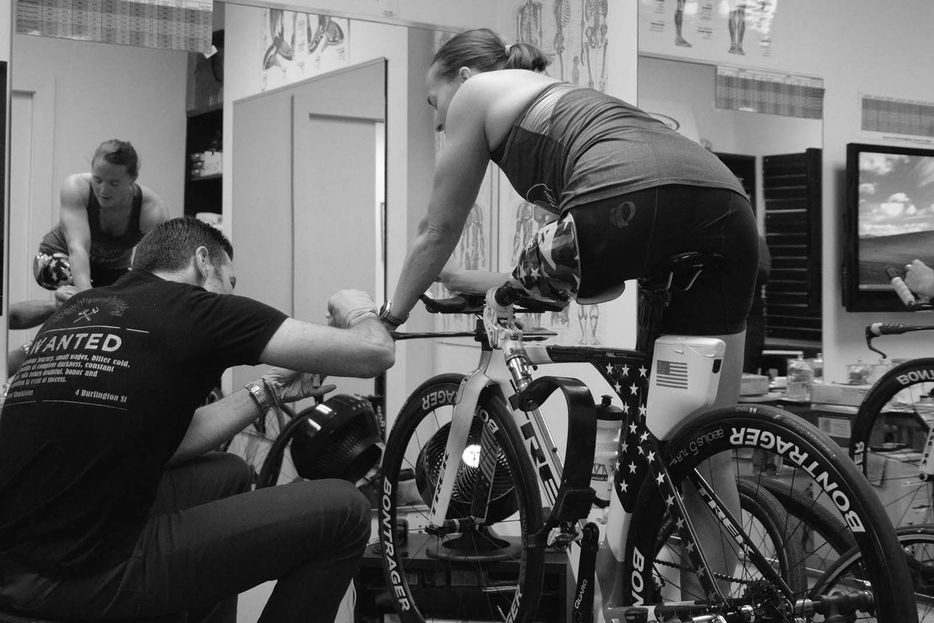
Objective testing gives us useful context for training decisions. It can help us better understand your physiology, body composition, energy needs, and possible training opportunities, then connect those findings to the work you are doing.
A DEXA scan is a body-composition assessment that can establish a baseline and help monitor changes over time. Instead of relying on scale weight alone, we can use the results to guide conversations about training, nutrition, recovery, and performance goals.
VO₂ max testing is separate from a DEXA scan. It evaluates aerobic capacity and can help guide training intensity, pacing decisions, and performance planning. We also offer RMR testing, which provides another piece of information for conversations about energy needs and fueling.
Robbie’s metabolic cycling assessment at VQ is also separate from VO₂ max testing. They are not the same test and do not provide the same results. Through performance testing in Highland Park, we can help determine which assessment best matches your triathlon or cycling goals.
Nutrition and Hydration Support Late-Summer Racing
A good training block can fall apart on race day if fueling and hydration are left to chance. Late August in Chicago may bring heat, humidity, and higher fluid losses, so your plan needs to be realistic for the conditions and the length of your event.
Our nutrition consultations consider your training volume, race distance, body-composition goals, and everyday lifestyle. Just as important, we help you practice the approach you intend to use before race day. Competition is not the time to test a new drink, gel, or timing strategy.
Sodium and sweat-rate testing can add useful direction for athletes training through hot weather and preparing for fall endurance events. Every marathon athlete should understand their sweat-rate and sodium needs so they can build a personalized hydration plan for long runs, training sessions, and race day.
For triathletes, hydration planning also has to work across the swim, bike, and run. We account for race duration, fluid needs, sodium, carbohydrate intake, and expected weather so the strategy is practical to carry out while moving.
Strength Evaluations Protect Your Peak-Season Progress
Strength still matters when triathlon training volume rises. The goal is not to create extra fatigue or fill every open hour with more work. Instead, we look for ways to support durability, movement quality, and efficient performance while protecting your priority sessions.
Our strength evaluations in Highland Park assess current movement patterns, strength needs, and areas that may deserve attention. That information can lead to a focused plan that complements your swim, bike, and run training.
Strength work can be adjusted around the demands of your season:
- Key bike and run workouts
- Long training sessions
- Recovery-focused weeks
- Taper periods before a race
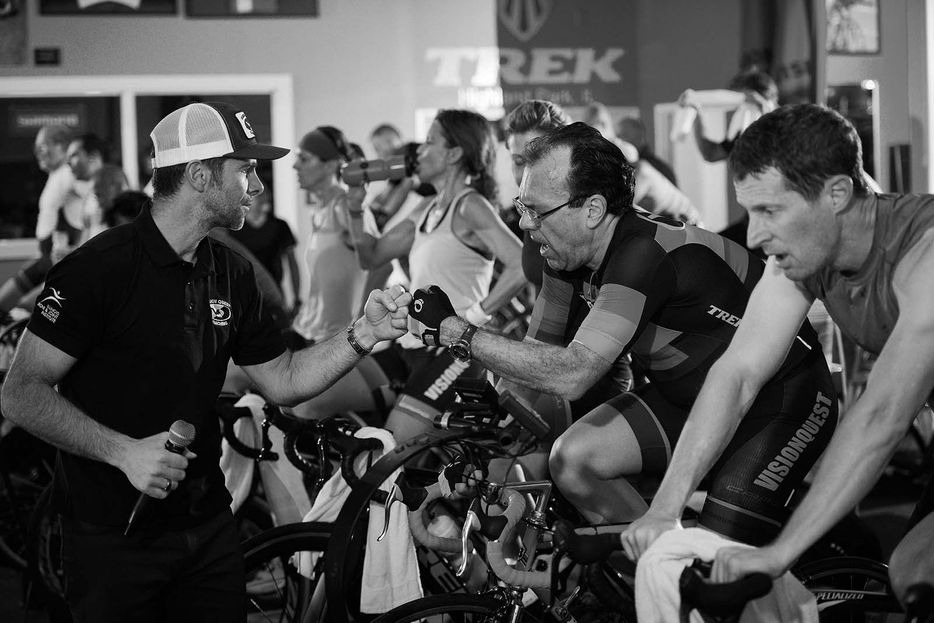
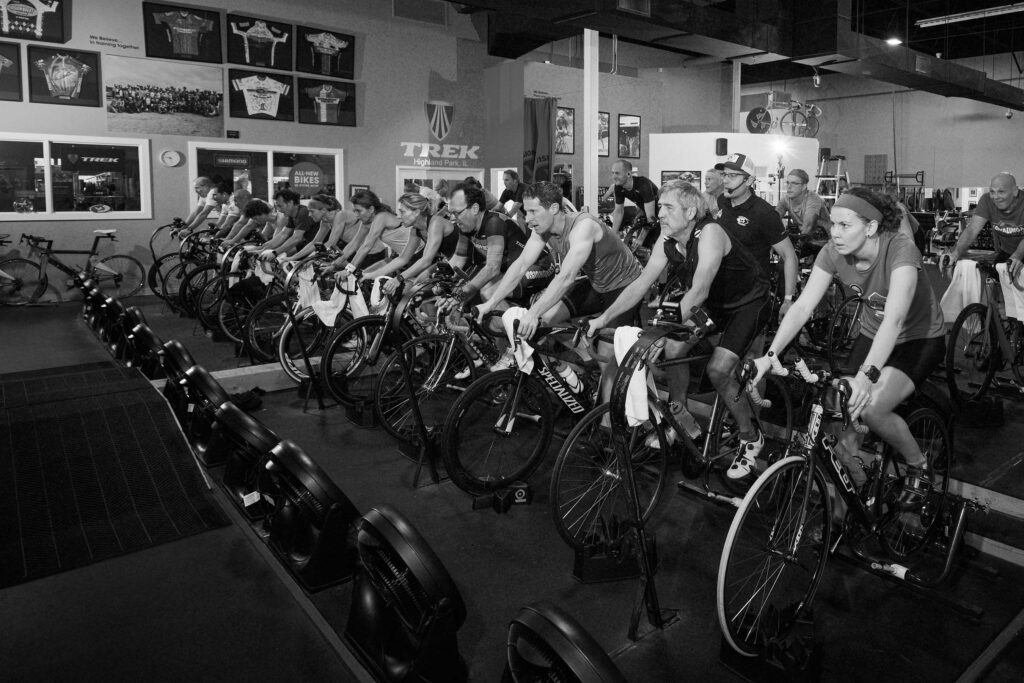
Through in-studio cycling and strength support, we keep the focus on practical work that fits your available time instead of competing with race-specific training.
Turn Race Goals Into a Practical Plan
Peak-season advice works best when it is connected to your own data, race demands, fitness, and schedule. A useful plan considers more than one hard workout or one long session. It connects pacing, recovery, nutrition, hydration, strength, and training adjustments into a clear approach.
When each piece has a purpose, you can make decisions with more confidence as race day gets closer.
Build a Race Plan You Can Trust
At Vision Quest Coaching, we help athletes turn their training priorities into practical race-day preparation. Work with a triathlon coach in Chicago to refine your approach, address your questions, and stay focused through the final weeks. When you are ready to discuss your goals, contact us for personalized guidance.